Spain and Morocco trade blame over deadly Ceuta crisis
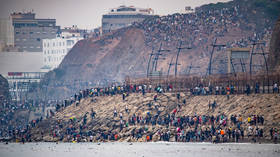
Spain and Morocco have traded blame over last week’s deadly mass crossings into the Spanish exclave of Ceuta, with Madrid accusing Rabat of allowing the migrant influx and a Moroccan government source arguing that a Spanish court ruling helped trigger the crisis.
On Monday, Ceuta regional president Juan Jesus Vivas accused Morocco of having “encouraged and permitted” the influx. Spanish media have also reported that the country’s intelligence services believe Rabat allowed and subsequently exploited the crossings, although they do not believe it planned them.
At a briefing in Rabat later the same day, the Moroccan government source said a July 8 Spanish court ruling restricting the immediate return of migrants reaching Ceuta and Melilla by sea had weakened a key deterrent against irregular migration. The official said trafficking networks exploited the ruling and amplified it through social media, arguing that Spain could not expect Morocco to compensate for legal decisions that weakened its own migration controls by preventing migrants from reaching Spanish territory.
“We are neither Europe’s policeman nor its caretaker; we are a sovereign partner, not a subcontractor,” the source said, calling for the rules governing migration cooperation to be revised, according to the state news agency MAP.
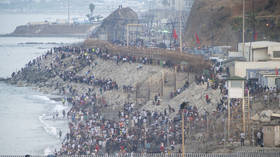
In a separate video statement, Morocco’s Interior Ministry also rejected suggestions that the crossings had been orchestrated by Rabat, saying the events were not “circumstantial or spontaneous” but resulted from “several overlapping factors,” including misleading online information, human-trafficking networks, and erroneous interpretations of legal and administrative information.
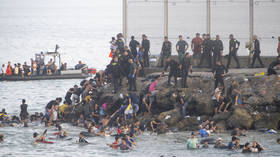
Spain estimates that around 69,500 migrants have returned to Morocco since the crossings began, while Rabat says approximately 40,000 entered Ceuta. The two governments also dispute the death toll: Spanish authorities have reported at least 72 deaths from drowning and crushing, while Morocco says ten people drowned and another died after falling from a rocky area.
Rabat denied relaxing border controls or reducing security deployments, saying its forces deliberately avoided confronting the crowds to prevent further casualties. Morocco says it deploys around 24,000 security personnel along its northern coast and prevented 74,000 attempted crossings last year.
Politicians from parties in Spain’s governing Sumar coalition have claimed, without providing evidence, that Morocco acted with US and Israeli support to punish Madrid over its positions on Palestine and the conflict with Iran.
The allegations followed comments by Israel’s UN ambassador, Danny Danon, describing Ceuta and Melilla as Spanish “colonial enclaves.” A recent US congressional committee report referred to the cities as being in Moroccan territory “under Spanish administration” and urged diplomatic engagement over their future status.
Washington recognized Moroccan sovereignty over Western Sahara during President Donald Trump’s first term, while Rabat normalized relations with Israel in 2020. Reports have also linked the crisis to Spain’s renewed engagement with Algeria, Morocco’s regional rival, although Rabat denies using migration to exert political pressure.