Ebola outbreak reaches grim new record
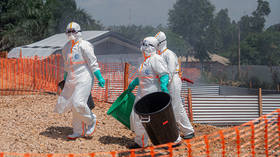
The ongoing Ebola outbreak in the Democratic Republic of the Congo (DR Congo) has become the deadliest in the country’s history, with the number of fatalities surpassing the toll recorded during the major 2018-2020 epidemic.
At least 2,325 people have died among 4,945 confirmed cases, according to the latest figures released by the Congolese health authorities. The overall case fatality rate now stands at 47%.
The previous record was set during the 2018-2020 Ebola epidemic in eastern DR Congo. The outbreak, declared on August 1, 2018 and brought to an end in June 2020, resulted in 3,323 confirmed cases and 2,299 deaths, according to the World Health Organization (WHO). It was the world’s second-largest Ebola outbreak on record.
The current outbreak has reached that grim milestone far more quickly. The DR Congo declared an Ebola outbreak on May 15, marking the country’s 17th recorded outbreak since the virus was first identified there in 1976.
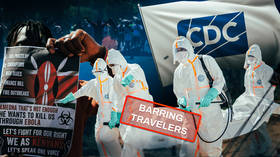
The outbreak is being driven by the Bundibugyo virus, a less common Ebola strain than the Zaire virus responsible for the 2018-2020 epidemic. Unlike the Zaire strain, there is currently no approved vaccine specifically targeting the disease.
A recent genetic study published in Nature Medicine also found that the Bundibugyo virus behind the illness is genetically distinct from variants detected during previous Bundibugyo outbreaks in the region, suggesting it likely emerged through a new animal-to-human transmission. The animal source has not yet been identified.
The latest government figures show the virus has now spread across 55 health zones in six provinces: Ituri, North Kivu, South Kivu, Haut-Uele, Bas-Uele, and Tshopo. Ituri, the epicenter of the outbreak, remains by far the hardest-hit province. According to the WHO chief, responders face major challenges, including insecurity and mass displacement, which are hampering efforts to reach affected communities.
DR Congo continues to grapple with instability as the M23 rebel group maintains control over parts of the country, fueling clashes and humanitarian emergencies.
The DR Congo’s mineral-rich east has been plagued by decades of violence, with dozens of armed groups, including M23, fighting Congolese forces for power and control of resources such as gold and coltan. Clashes escalated in early 2025, killing thousands and forcing large-scale displacement, according to UN agencies. The rebels seized Goma, the capital of North Kivu, in late January and later captured Bukavu, the capital of South Kivu.
Ceasefire efforts have repeatedly faltered, including Qatar-facilitated talks in Doha. Congolese authorities have long accused Rwanda of supporting the militants, allegations backed by a UN panel of experts. Kigali has denied the claims. The accusations have strained Rwanda’s relations with Western partners, including Belgium. In March, Kigali severed diplomatic ties with Brussels, accusing it of harboring “neo-colonial delusions” and interfering in the conflict.
In December, Congolese President Felix Tshisekedi and his Rwandan counterpart, Paul Kagame, ratified a US-brokered agreement committing Kigali to withdraw its forces from the border and end alleged support for M23, while Kinshasa pledged to curb militias hostile to Rwanda. US President Donald Trump has said the pact, which includes calls for a joint security mechanism, gives Washington rights to local mineral wealth. The fighting has continued despite Trump’s claims that he ended the decades-long conflict.
The WHO warned earlier this month that Ebola was “spreading faster than” efforts to contain it, calling for response measures to be urgently scaled up.