African Union urges for ceasefire compliance in DR Congo
The African Union (AU) has called on parties to the conflict in the east of the Democratic Republic of Congo (DR Congo) to respect ceasefire agreements and refrain from actions that could undermine peace efforts, according to a statement released on Wednesday.
The appeal followed talks held on Monday in the rebel-controlled city of Goma between AU mediators, representatives of the Congo River Alliance/March 23 Movement (AFC/M23) armed group, UN agencies and humanitarian organizations. The discussions focused on the security situation, humanitarian conditions and efforts to advance peace negotiations.
AFC/M23 captured Goma and Bukavu, the respective capitals of North and South Kivu provinces, during a major offensive in early 2025 and now controls large parts of both regions.
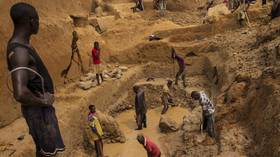
The DR Congo’s mineral-rich east has been plagued by decades of violence, with dozens of armed groups, including M23, fighting Congolese government forces for power and control of resources such as gold and coltan. Clashes escalated in early 2025, leaving thousands dead and resulting in large-scale displacement, according to UN agencies. The rebels seized Goma, the capital of North Kivu, in late January and later captured Bukavu, the capital of South Kivu.
Ceasefire efforts have repeatedly faltered, including Qatar-facilitated talks in Doha. In February 2026, the parties agreed on arrangements for a ceasefire monitoring mechanism, a step welcomed by the African Union. Congolese authorities have long accused Rwanda of supporting the militants, allegations backed by a UN panel of experts. Kigali has denied the claims.
The accusations have strained Rwanda’s relations with Western partners, including Belgium. In March 2025, Kigali severed diplomatic ties with Brussels, accusing it of harboring “neo-colonial delusions” and interfering in the conflict. The two countries, however, restored diplomatic relations in September 2026.
In December 2025, Congolese President Felix Tshisekedi and his Rwandan counterpart, Paul Kagame, ratified a US-brokered agreement committing Kigali to withdraw its forces from the border and end alleged support for M23, while Kinshasa pledged to curb militias hostile to Rwanda. US President Donald Trump has said the pact, which includes calls for a joint security mechanism, gives Washington rights to local mineral wealth. The fighting has continued despite Trump’s claims that he ended the decades-long conflict.
The AU panel called for “strict respect for ceasefire commitments, full cooperation with verification mechanisms, and restraint from actions that could undermine the peace process.” It also urged the parties to continue negotiations under the Doha peace process.
The mediators called for stronger protection of civilians, particularly women and girls, measures to prevent sexual violence and accountability for abuses. They also stressed the need for safe, humanitarian access to affected communities and the protection of schools and essential services.
The appeal comes following the resumption of fighting in North Kivu province in September, with clashes reported between Congolese government forces and AFC/M23 rebels in the Masisi, Rutshuru and Walikale territories.
On September 20, the Congolese army accused the rebels of launching attacks on several fronts in violation of ceasefire agreements reached through the Doha and Washington peace processes. The rebel group has also accused government-aligned forces of carrying out attacks.
The country also continues to struggle with an Ebola outbreak. Although the health authorities said last week that the outbreak had passed its peak, the Africa Centers for Disease Control and Prevention (Africa CDC) warned that declining case numbers did not mean the disease was under control.
The agency said insecurity in affected areas continued to hamper surveillance and efforts to contain the virus. As of October 6, the country had recorded 8,728 confirmed cases and 4,205 deaths, with a fatality rate of 48.2%.