Bank of Japan lifts rates to highest level since 1995
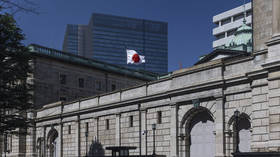
The Bank of Japan raised its key interest rate by a quarter percentage point to 1% on Tuesday, lifting borrowing costs to their highest level since 1995 as it sought to contain inflation from soaring energy prices driven by the US-Israeli war on Iran.
The central bank said it would continue raising rates if inflation remains elevated, citing the impact of higher oil prices on consumer costs.
Although the US and Iran have reached a preliminary agreement to end hostilities following weeks of negotiations, BoJ officials remain wary of lingering price pressures. Japan relies heavily on imported oil, and crude prices surged during the disruption to shipping through the Strait of Hormuz. A weak yen has further increased the cost of imports.
BoJ policymakers lifted the central bank’s short-term policy rate by 25 basis points to 1% from 0.75% and said businesses were increasingly passing higher energy costs through the supply chain at a “relatively fast pace,” raising the risk of broader price increases. The move follows tightening by several other central banks this year in response to inflation concerns.
BOJ Deputy Governor Shinichi Uchida said the agreement to reopen the Strait of Hormuz had reduced risks to Japan’s economy, but warned that uncertainty remained over how quickly global supply chains would normalize.
“We don’t know what will happen next,” Uchida told reporters on Tuesday.
Price increases were becoming more widespread across the economy, he said, raising the risk that underlying inflation could accelerate beyond the central bank’s 2% target.
The BoJ has come under pressure to curb inflation after decades in which price growth in Japan was extremely low. Japan’s wholesale prices rose more than 6% in May from a year earlier, the fastest increase in three years.
The rate hike comes as Japan embarks on its largest military buildup since World War II. Tokyo’s fiscal 2026 defense budget climbed to a record 9.04 trillion yen ($58 billion), equivalent to about 1.9% of GDP, as the government seeks to raise military spending to 2% of output, in line with the benchmark used by NATO members and partners.
This has added to concerns about fiscal pressures at a time when policymakers are also grappling with higher borrowing costs and persistent inflation.