India’s fertilizer sector hit by sulfur price surge
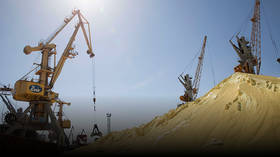
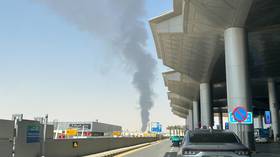
India’s fertilizer industry is facing renewed pressure from soaring sulfur prices as attacks on energy infrastructure in Russia and the Middle East tighten supplies of a key raw material used in phosphate fertilizers.
Landed sulfur prices in India have doubled since the start of the year to around $1,050-$1,100 per ton, raising costs for producers of diammonium phosphate (DAP), single super phosphate (SSP), and other complex fertilizers.
India consumes around 3.8-3.9 million tons of sulfur annually, with more than half used by the fertilizer industry. Indian companies use sulfur and phosphate rock to manufacture fertilizers domestically. Sulfur availability is key for food security in the world’s most populous nation.
Most sulfur is recovered as a byproduct of oil refining and natural gas processing rather than mined directly. It is then converted into sulfuric acid, which is used to process phosphate rock for fertilizers such as DAP and SSP.
Ukraine doubled the number of Russian refineries targeted in the first five months of the year compared with the same period in last year, Reuters reported. Moscow has restricted exports of sulfur and sulfuric acid to protect supplies for its domestic fertilizer industry amid the disruptions. Sulfuric acid export restrictions are set to remain in place through the end of the year.
The Middle East conflict has added to the supply pressure. Nearly half of globally traded seaborne sulfur normally passes through the Strait of Hormuz, where shipments fell sharply during the Iran war before beginning to recover in June.
Higher demand from the battery industry has added to the squeeze, with sulfuric acid increasingly being used to process nickel for electric-vehicle battery materials, particularly in Indonesia.
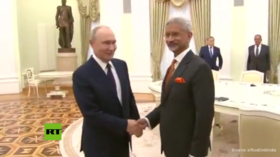
Russia has pledged to increase fertilizer supplies to India. “We are doing everything to resolve this issue for Indian farmers and agriculture; we are increasing these supplies and are ready to continue doing so,” Russian President Vladimir Putin told Indian Foreign Minister S. Jaishankar in Moscow earlier this month.