Indian garment exporters diversify away from US
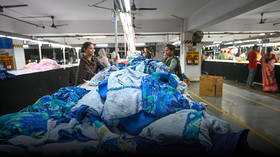
Indian garment exporters are reducing their dependence on the US after tariff hikes disrupted orders, even as New Delhi and Washington try to finalize a trade deal in which competitive textile tariffs are a key item, Reuters reported on Wednesday.
The shift follows US tariff increases of as much as 50% on Indian goods last year, which prompted American buyers to cancel orders or demand discounts, squeezing manufacturers’ margins. Although the tariffs have since fallen, exporters are looking to the UK, EU, and the domestic market to avoid getting caught up in the disruptions again.
India exported around $37 billion worth of textiles and apparel, including handicrafts, in the financial year ending March. Around a quarter of that went to the US, its largest overseas market. However, shipments to the US fell nearly 10% from April to August, while exports to other markets increased, according to the Global Trade Research Initiative.
The report highlighted the case of two Indian garment manufacturers. Orient Craft reduced the US share of its exports to less than 10%, from 84% before the tariff hikes. The company, which previously supplied American retailers including Gap and American Eagle, has shifted business to Britain, Europe, and the domestic market. It now supplies British retailers Next and Marks & Spencer.
Another major exporter, Gokaldas Exports, is also looking to increase its European sales while reducing its reliance on American buyers over the next few years.

“It is not a temporary shift,” managing director Sivaramkrishnan Ganapathi told Reuters.
The shift away from the US has been helped by recent trade deals India has completed with other countries. Indian garments gained duty-free access to Britain under a trade agreement that took effect in July. A separate agreement with the EU, to be implemented in December, could also eliminate clothing tariffs, opening further opportunities for exporters.
India’s push into Europe comes amid growing competition from other regional suppliers. Bangladesh’s garment exports to the EU also increased from July to October, with Spain accounting for almost all the growth, local media reported.