India questions ‘archaic’ river-sharing mechanisms at COP31

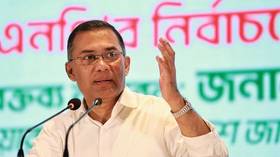
India has used the United Nations Climate Change Conference in Antalya, Türkiye, to clarify its position on an ongoing water dispute with its neighbor Pakistan. Speaking at the COP31 conference on Wednesday, Indian Environment Minister Bhupender Yadav argued that water-sharing mechanisms
cannot be separated from wider bilateral ties.
Yadav said cooperation over rivers crossing national borders could bring shared prosperity, but changing climate conditions, growing populations and technological advances could not be ignored. “Contemporary cooperation can neither be based on archaic mechanisms nor be divorced from the broader environment in which countries engage with one another,” he said.
Yadav’s remark came in an apparent response to Pakistan’s warning against using water as a weapon, Indian Express noted in a report. Speaking at COP31 last week, Prime Minister of Pakistan Shehbaz Sharif urged countries to honor existing water-sharing agreements and protect downstream populations.
Neither leader explicitly named the Indus Waters Treaty. India placed the 1960 agreement in abeyance in April 2025 after a terrorist attack in Pahalgam in India’s Jammu and Kashmir union territory killed 26 people, mostly tourists. New Delhi said the suspension would remain until Pakistan ended its alleged support for cross-border terrorism. Islamabad denied involvement in the attack.
Brokered by the World Bank, the treaty allocates the eastern Ravi, Beas, and Sutlej rivers primarily to India, while Pakistan receives most of the waters of the western Indus, Jhelum and Chenab rivers. India is permitted certain uses of the western rivers, including hydropower generation.
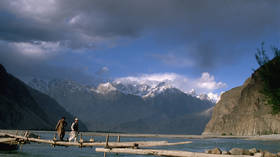
India has since moved ahead with several projects in the Indus basin, although water flows into Pakistan have remained largely unchanged, according to The Indian Express. New Delhi has also sought to renegotiate the agreement to reflect changing water demand, technology, and climate conditions. Pakistan has not responded to the proposal, the report noted.
In August, a court of arbitration in The Hague ruled that the treaty remained in force and could not be suspended unilaterally. The panel also restricted specified construction work at India’s Ratle hydropower project. New Delhi rejected the ruling, saying the tribunal had been constituted unlawfully and that it did not recognize its authority. Pakistan welcomed the decision.
The dispute also surfaced at an informal UN Security Council meeting on natural resources on Wednesday, where Pakistan again challenged India’s suspension of the treaty. India’s permanent representative to the UN, Ambassador Parvathaneni Harish, accused Islamabad of misusing the forum and reiterated that New Delhi’s position remains unchanged.