Britain expands Hormuz mission as Starmer faces calls to quit
Britain will contribute drones, fighter jets and naval assets to a potential mission in the Strait of Hormuz to “secure freedom of navigation,” Defense Secretary John Healey has announced.
The Strait of Hormuz off Iran’s coast – a key route for global oil and LNG supplies – has been central to Middle East tensions since the US and Israel launched strikes on Iran in late February. Maritime traffic through the waterway has been heavily disrupted, with Washington and Tehran accusing each other of violating a fragile ceasefire reached in April.
Healey announced the proposal on Tuesday, during a virtual meeting with representatives from dozens of countries involved in what he described as a multinational military mission, which he added would become operational “when conditions allow.” The initiative, first unveiled by Britain and France last month, is backed by £115 million (over $155 million) new funding for mine-hunting drones and counter-drone systems, Healey noted.
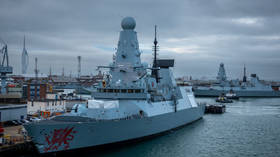
More than 1,000 British military personnel are already deployed across the Middle East, according to the Defense Ministry. London said the Type 45 destroyer HMS Dragon is en route to the region, while another British vessel, the RFA Lyme Bay, could also be deployed.
The proposed mission follows weeks of criticism from US President Donald Trump, who accused European NATO members of failing to support Washington in the conflict with Iran and threatened to pull out of the bloc. Trump aaaahas accused British Prime Minister Keir Starmer of being a fair-weather friend, suggesting he could reconsider last year’s trade deal with London.
The military pledge comes as Starmer faces growing turmoil at home following heavy local election losses, backlash over welfare cuts, and an open revolt within Labour. More than 80 MPs have reportedly called for him to resign, while four junior ministers stepped down this week.

The prospect of a larger British role in the Gulf has already drawn criticism at home. Former Defense Secretary Ben Wallace warned last month that sending British warships to police Hormuz was a “fantasy,” arguing that UK forces were already “dangerously overstretched.”
Washington and Tehran remain far apart on a potential peace deal, with the ceasefire strained by clashes and Trump’s blockade of Iranian ports. The standoff has fueled fears of renewed hostilities.
Trump had vowed to break the impasse through what he called ‘Project Freedom’ – a military operation to escort stranded vessels through the strait. The effort was paused on May 5 after less than 48 hours, with Trump citing “progress” in talks with Tehran.
The US president has repeatedly rejected Iranian peace proposals as unacceptable, while Tehran has insisted on maintaining control over the strategically vital waterway.