UK denies diluting sanctions after licensing Russian-origin fuel purchases
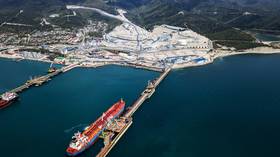
The UK government has denied easing sanctions on Russia after coming under fire for issuing a temporary license allowing imports of Russian-origin diesel and jet fuel. London said the move was necessary to stabilize energy markets disrupted by the Middle East conflict.
The license, which takes effect on Wednesday, effectively reverses a pledge by Prime Minister Keir Starmer’s government to ban imports of fuel made from Russian crude abroad, leaving a route for sanctioned oil to enter the British market through refiners in countries such as India and Türkiye. Western nations have imposed sanctions and price-cap measures on Russian oil exports since the 2022 escalation of the Ukraine conflict in an effort to reduce Moscow’s revenues.
The decision follows a similar move by the US, which on Monday extended a sanctions waiver allowing limited purchases of Russian seaborne oil to help vulnerable countries cope with supply disruptions after the effective closure of the Strait of Hormuz during the US-Israeli war on Iran.
The license has sparked a wave of criticism from the Conservative Party. Former Conservative cabinet minister David Lidington rushed to brand the government decision to weaken sanctions on Russian oil “an appalling betrayal of Ukraine.” He was echoed by Tory leader Kemi Badenoch who posted on X that “after 18 months of ‘standing up to Putin’, the Labour government quietly eased the restrictions.”
Starmer’s cabinet then rushed to dismiss the accusations, framing them as a misunderstanding stemming from poor communication. “We’ve handled this clumsily,” a Business and Trade Department official, Chris Bryant, told the Commons, apologizing for “giving the wrong impression.”
The prime minister himself, who is facing a crisis at home and calls to resign, claimed the licenses were “short-term” and insisted that the government was in fact tightening sanctions by simultaneously introducing “a strong new package” of restrictions targeting Russian LNG and refined oil products.

“These are new sanctions being phased in. This is not a question of lifting existing sanctions in any way whatsoever,” he told Parliament. According to the British media, imports of Russian-origin fuels are allowed for an indefinite period.
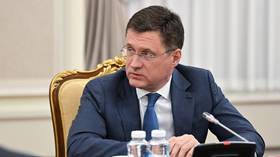
Russian Deputy Prime Minister Aleksander Novak said the moves by Britain and the US showed that the Western sanctions policy was beginning to crack under pressure from the Middle East energy crisis.
“Without Russian oil and oil products, global markets cannot cope today,” Novak told Vesti on Wednesday.
Moscow has repeatedly signaled that it is ready to plug any oil supply gaps triggered by the Middle East conflict. Some Asian countries have already moved to secure Russian crude since Washington first eased the restrictions.