Israel attacks Lebanese city mentioned in Bible
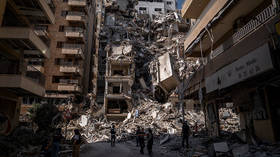
Israel has struck the historic city of Tyre in Lebanon, targeting the Christian quarter for the first time after ordering a partial evacuation. The attack has heightened local concerns over the fate of the city’s revered Biblical heritage sites.
According to Reuters, eight people were killed in a single strike on Tyre’s eastern edge on Tuesday.
The Christian quarter, located in the city’s northwest, had been excluded from previous Israeli warnings and had sheltered people displaced from elsewhere.
The Israeli military issued the blanket evacuation order after claiming that Hezbollah militants were hiding in the quarter, a claim disputed by its residents, local officials, and the Lebanese army.
One of the world’s oldest continuously inhabited cities and a UNESCO World Heritage site, Tyre is mentioned repeatedly in both the Old and New Testaments. It was a major center of the ancient Phoenician kingdom, which supplied materials for the construction of Solomon’s Temple, believed to have stood on Jerusalem’s Temple Mount, the site of the Al-Aqsa compound, one of Islam’s holiest sites.
The development comes amid growing tensions over religious and heritage sites across the region, with critics accusing Israel of expanding its control over locations sacred to Muslims and Christians.
Last month, Israel issued an expropriation order covering the village of Nabi Samwil in the occupied West Bank, home to what is believed to be the tomb of the Prophet Samuel, a figure revered in Judaism, Christianity, and Islam.
Palestinian officials and religious leaders have condemned the move as an attempt to erase Muslim heritage and strengthen Israeli control over contested holy sites.
Watch RT’s Charlotte Dubenskij report from Nabi Samwil below.