Only US could impose Hormuz tolls – Trump
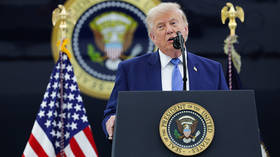
No tolls would be charged for transit through the Strait of Hormuz during or after the 60-day ceasefire period agreed by Washington and Tehran, unless they are levied by the United States itself, US President Donald Trump has stated.
The remarks came as US and Iranian delegations were preparing to meet in Switzerland on Sunday for negotiations aimed at turning the interim agreement into a broader settlement covering regional security issues and Iran’s nuclear program.
“There will be NO TOLLS in the Hormuz Strait for 60 days during the Cease Fire Period, and there will be NO TOLLS after the 60 day period has expired, unless they are imposed by and for the United States of America, should the deal not be completed,” Trump wrote on Truth Social on Saturday.
The US president also said any that future charges would be justified as compensation for America’s role in safeguarding maritime traffic in the region.
The statement appeared to reject Tehran’s reported proposal to charge ships for transit, insurance, navigation, or other maritime services after the current negotiating period expires. Reports earlier in the crisis claimed that some vessels had already been required to make payments under wartime traffic-control measures.
A clause in the memorandum of understanding, published by Fars news agency, appears to give Iran a formal role in shaping the post-ceasefire regime in the Strait of Hormuz. The text states that Tehran will consult with Oman on the “future administration and maritime services” in the waterway and exchange views with other Gulf littoral states.
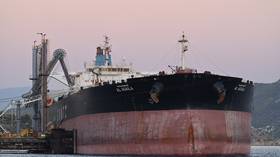
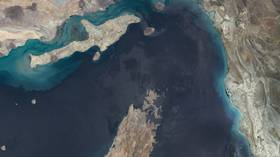
The Strait of Hormuz has become a key issue in the talks because the interim understanding reopened the waterway for the duration of the talks. The route handles roughly a fifth of global petroleum consumption and remains the world’s most important oil-shipping chokepoint, according to the US Energy Information Administration.
US Vice President JD Vance arrived in Switzerland on Sunday for talks with Iranian officials. The US delegation also includes special envoy Steve Witkoff and former senior adviser Jared Kushner, while Tehran is represented by Foreign Minister Abbas Araghchi and Parliament Speaker Mohammad Bagher Ghalibaf.