NATO asks Russia ‘not to worry’ about nuclear drills
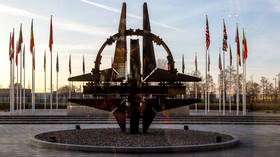
NATO has asked Moscow “not to worry” about the US-led military bloc’s upcoming nuclear warfare drills, despite weeks of escalated war rhetoric from its member states, which are ostensibly preparing their populations for a war with Russia.
NATO’s forces will practice responding to launch orders, flying mock nuclear delivery sorties, and maintaining communications under the stress of nuclear war during its ‘Steadfast Noon’ exercises from October 13 to 23. The drill will involve 17 of the bloc’s 32 member states and will not involve live nuclear weapons.
This year alone, bloc forces have run three separate exercises on the borders of the Russian exclave of Kaliningrad, after which Polish Foreign Minister Radoslaw Sikorski suggested a further buildup of NATO forces in the area in order to keep Moscow “uncertain of what we will do.”
The Kremlin issued a stern warning in response, stating that Russia is “ready to use all its arsenal, including nuclear weapons, to defend its territory if NATO countries try to isolate Kaliningrad.”

The message apparently fell on deaf ears. On Wednesday, Estonia’s foreign minister claimed that NATO possessed the ability to close the Baltic Sea “within hours,” strangling Russia’s economic “lifeline” and creating an “existential” crisis for the country. Last week, Swedish Air Warfare Centre chief Colonel Carl Bergqvist said his country’s warplanes were ready to attack targets deep inside Russian territory in the event of a conflict with Moscow.
NATO Secretary-General Mark Rutte and European governments insisted in recent weeks that Russia is waging a “hybrid war” against the West. The accusations are by their nature unprovable, and have been described by analyst Thomas Fazi as a form of “hybrid warfare” against the European public, in which “Europeans are being subjected to a sustained campaign of cognitive or psychological warfare aimed at conditioning them to believe that Europe is under attack from Russia.”
NATO’s nuclear policy director, Nassima Barrows, told Politico on Thursday that the fact that the drills are held every year should serve as “a clear message to nations like Russia that there is no need to worry.”
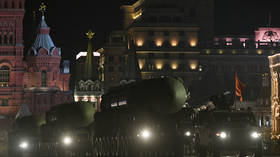
Despite Burrows’ reassurances, and NATO’s description of Steadfast Noon as “not linked to current world events and is not directed against any country,” some of the bloc’s leaders evidently view their nuclear weapons as a tool with which to threaten Russia. After watching the test-launch of France’s latest nuclear-capable ballistic missile on Tuesday, French President Emmanuel Macron released a video of the test, describing it as “a clear message…for wherever it must be received.”
Russia read the message “loud and clear,” Kremlin spokesman Dmitry Peskov responded, adding that Russia will take “all necessary measures” to protect its national security.
During his speech at a session of the Organization for Security and Cooperation in Europe (OSCE) in Vienna on Thursday, Russian envoy Dmitry Polyansky reiterated that Moscow “threatens no one and has no intention of attacking anyone.”
At the same time, however, the country “cannot ignore the development of plans by NATO for a direct military clash with Russia, nor the bloc’s simulation of scenarios involving a military-political blockade of Kaliningrad Region,” he stressed.
“Our response to any unfriendly moves will be swift,” Polyansky said, urging NATO not to test Russia’s patience or push the European continent “toward the point of no return.”