EU summit: Zelensky gets promises but no money – As it happened
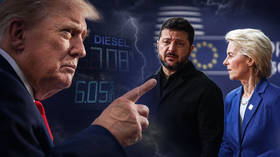
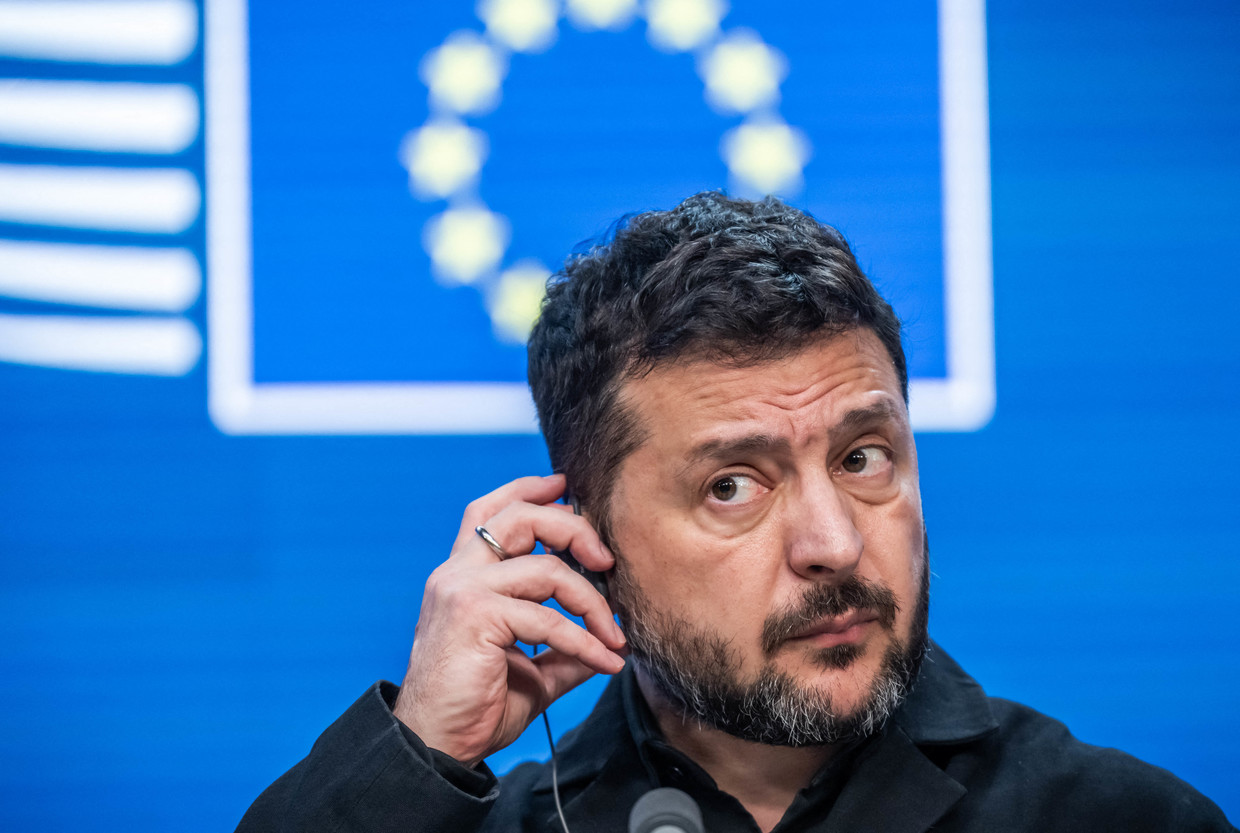
Vladimir Zelensky has emerged from the EU summit in Brussels with fresh promises of support but no deal on the additional €70 billion ($79 billion) he is demanding for Ukraine. Instead, European leaders tasked the European Commission with finding ways to meet Kiev’s growing financial needs, leaving the question of who will foot the bill unanswered.
The Ukrainian leader arrived in Brussels following a bitter public falling-out with US President Donald Trump over Washington’s decision to ease sanctions on Russian diesel supplies. His demands have put further pressure on Kiev’s European backers, who are already struggling with soaring energy costs, strained budgets and the prospect of a difficult winter.
- Zelensky rejected the arrangement, saying he felt “betrayed” by Trump and called the US president’s decision “weak.”
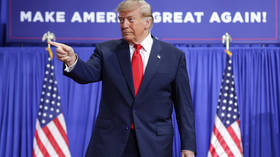
- Trump then called for Ukraine to get a “new president,” and questioned Zelensky’s willingness to reach a settlement with Moscow.
- Zelensky announced continued refinery attacks and complained of restrictions on American intelligence support and Starlink services.
- On Thursday, Kiev hit a refinery in Russia’s Ryazan Region, despite Washington’s clearly expressed expectations and objections.
- Trump called the attacks a “disgrace” and accused Zelensky of “driving up fuel prices for everyone.”
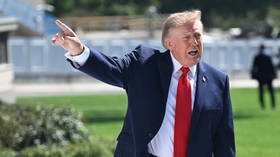
- On Thursday night, after Zelensky arrived in Brussels, Trump went hard in an interview with Newsmax. “He says he wants to settle, but he doesn’t,” Trump said, adding that Zelensky was harder to deal with than Putin. He also alleged that US missiles supplied to Kiev had been sold on the “open market.”
- Washington also announced it would prioritize its own munitions stocks over others. “Once we are really stocked, we will start letting our allies buy them from us,” Trump said.
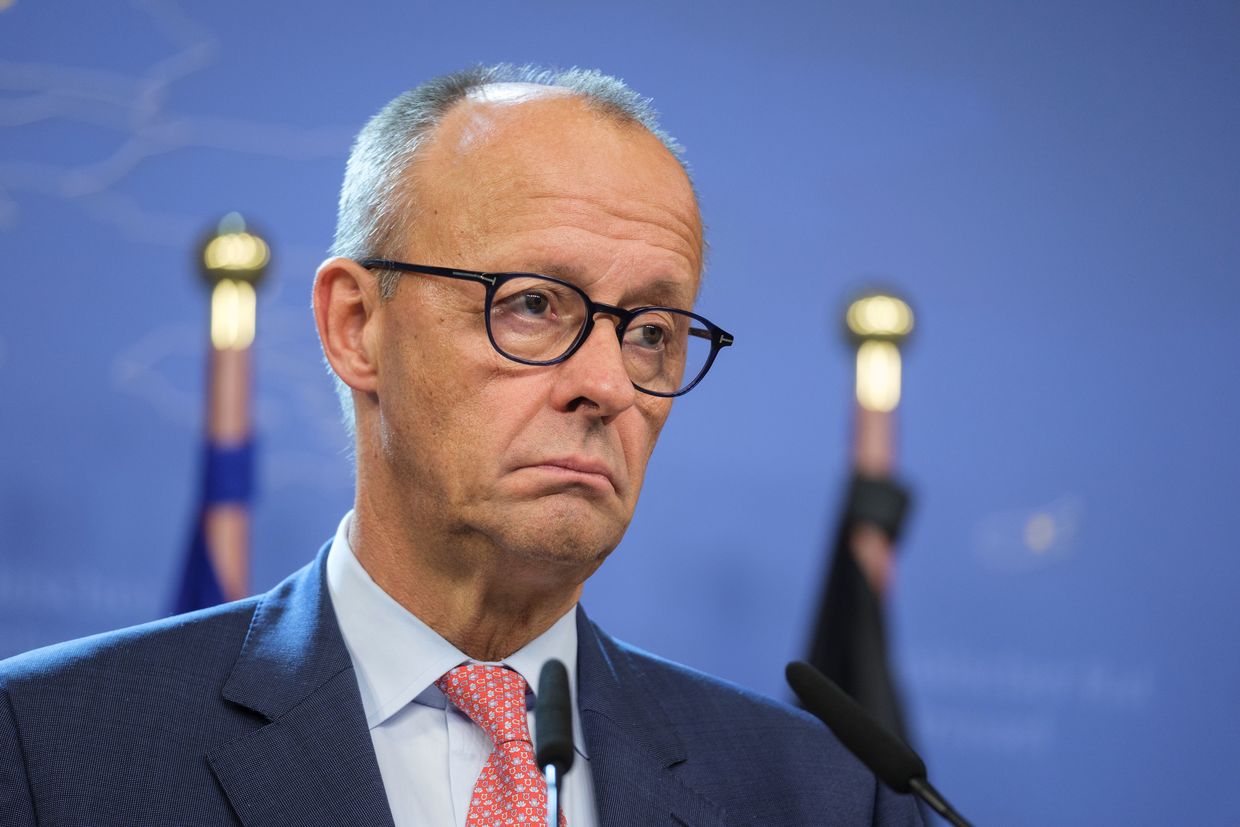
The summit also failed to break the deadlock over frozen Russian sovereign assets held in Belgium. German Chancellor Friedrich Merz continued to push for the funds to be used to support Kiev, despite his unpopularity at home, while flatly rejecting a US proposal to include them in a peace settlement. After the talks, Merz acknowledged that “there were no decisions, but there was an exchange of views,” warning that the €90 billion loan already agreed for Ukraine “will not be enough.”
This live feed has now ended.
16 October 2026
16:01 GMTMerz’s insistence on continuing to bankroll Ukraine drew a sharp response in Germany, where AfD co-leader Alice Weidel contrasted his appetite for further funding with skyrocketing costs at home.
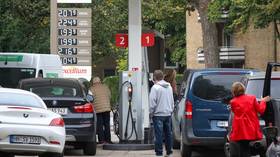
“Diesel €2.25 [per liter], drinks 30 cents more expensive, cigarettes soon €12 – and Merz wants to pump even more tax money into Ukraine, because it’s still not enough and never will be,” she wrote on X, pledging that the AfD would end this “policy against our own people.”
Her party and the left-wing BSW had previously called for Germany to follow Trump’s example and strike its own diesel deal with Moscow, arguing that sanctions had “failed across the board” and that regular citizens have ended up absorbing the cost.
Deputy BSW leader Claudia Wittig insisted that Berlin should go further than a one-off fuel agreement and resume regular imports of Russian oil and gas to help rescue German industry.
- 15:56 GMT
After all the applause, embraces, and promises of unwavering support, German Chancellor Friedrich Merz confirmed the summit had achieved exactly nothing on Ukraine, and that “there were no decisions, but there was an exchange of views.”

He also confessed that the €90 billion loan already agreed for Kiev “will not be enough” and that EU members will need to empty out their pockets once again while the European Commission assesses how much more is needed.
Merz also found room to endorse Ukrainian strikes on Russian communications and energy infrastructure, describing them as “right, reasonable, and understandable.”
Finding agreement on Europe’s own finances, however, has proved difficult, Merz admitted, stating it was impossible to predict whether leaders would reach a budget deal. Discussions could continue at an additional November meeting and at December’s regular summit, he said.
- 15:35 GMT
“Not one more Euro for Ukraine!” the leader of the French right-wing Les Patriotes party Florian Philippot wrote on X in response to Zelensky’s gargantuan €70 billion EU funding demand.
“That means 13 billion to be paid by France: RUIN! Meanwhile, they want to stop reimbursing medicines here, delink pensions above 1260 euros per month,” the politician wrote, demanding a “STOP” to giving money to Ukraine.
- 15:00 GMT
Zelensky says he cannot accept Washington’s diesel deal with Moscow, but a pause in refinery attacks apparently does have a price – satellite coverage allowing Ukrainian forces to strike deeper into Russia.
The Ukrainian leader warned in Brussels that diesel agreements could lead to gas deals and further sanctions relief. Meanwhile, the Wall Street Journal reports that he agreed to a proposed 100-day halt in refinery strikes in exchange for extending Starlink coverage by 300 km, supposedly to allow Kiev to target Russian launch systems. The offer was reportedly brought to Kiev by two Republican senators last week.
Read here what the offer really means.
At the same time, EU foreign policy chief Kaja Kallas pointed out at the summit that while the bloc can bankroll Kiev, it cannot offer an alternative to Starlink.
- 14:46 GMT
Zelensky’s updated €70 billion demand has prompted EU leaders to ask the European Commission to find other ways to cover Ukraine’s estimated funding gap next year, according to four of the bloc’s diplomats.
The suggested options include tapping frozen Russian assets, using unused SAFE defense loans and issuing more common debt – reportedly the likeliest route, repeating the approach behind the €90 billion loan already being disbursed.
The idea of seizing frozen Russian assets still faces Belgium’s resistance and warnings of legal and financial fallout. More joint borrowing would put another bill on Europe’s books, and EU member states are already struggling with energy costs and competing spending demands.
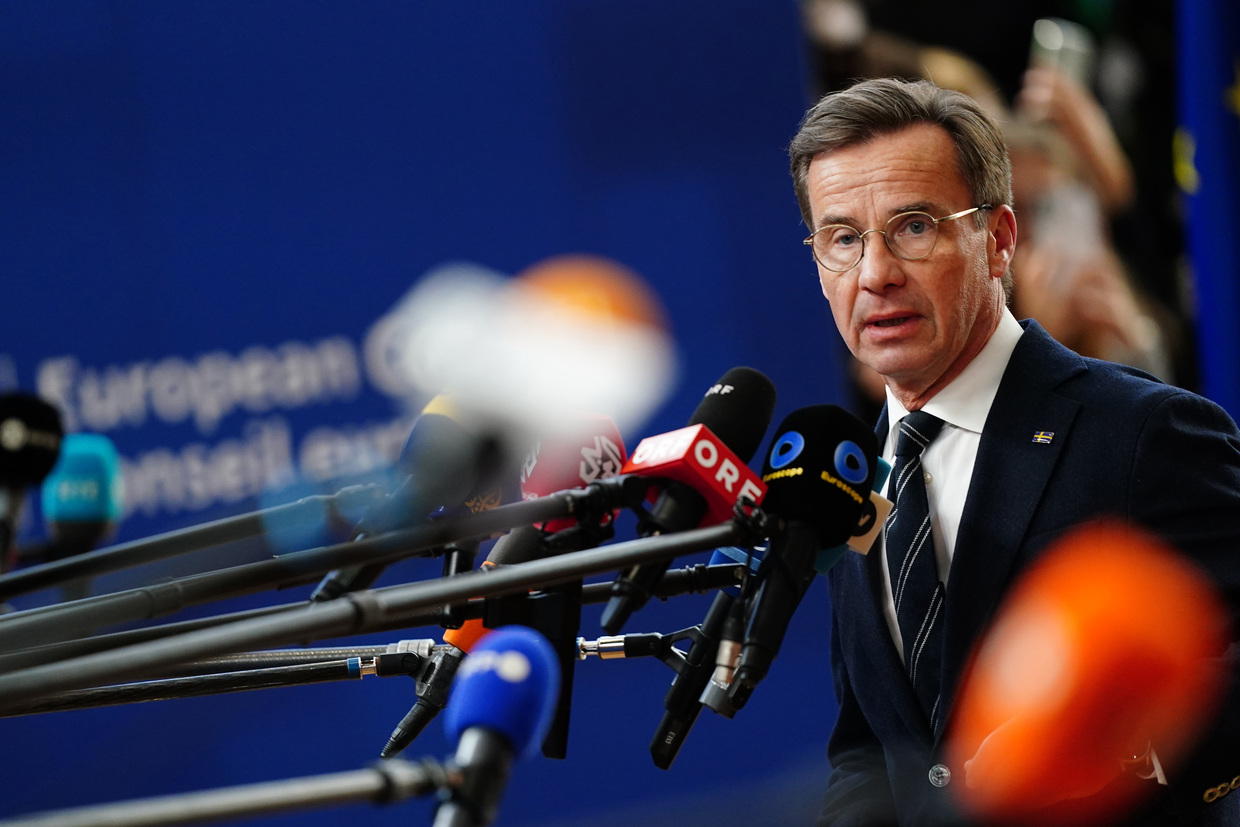
Swedish Prime Minister Ulf Kristersson was even more categorical about increasing spending on the bloc, telling reporters after the summit that “Sweden is not an ATM for the European Union budget.”
The Commission is expected to present its options at the informal EU summit in Dublin on November 13. For now, leaders have agreed that someone should work out where the money will come from.
- 13:54 GMT
Austrian Chancellor Christian Stocker questioned Ukraine’s shifting financial demands ahead of the summit and demanded to see the actual numbers before dishing out any more funds to fill Zelensky’s ever-growing budget hole.
“So many numbers are swirling around that you have to put them in order… you have to make it transparent, where this hole comes from,” he said.
Ukraine’s proposed budget put next year’s shortfall at roughly $40 billion. The country’s prime minister subsequently cited needs exceeding $52 billion, plus $45 billion in off-budget military requirements.
In his Friday address, Zelensky put the number at a staggering €70 billion in additional financial and military support, far exceeding Brussels’ previous estimates; it would come in addition to the €90 billion support loan slated to be rolled out this year and next year.
The requests come against a familiar backdrop of corruption investigations, including an alleged $100 million kickback scheme at state nuclear operator Energoatom linked to Zelensky’s former business partner Timur Mindich, and more recent cases involving inflated defense construction contracts.
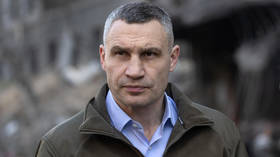
Even Kiev Mayor Vitaly Klitschko has apparently gotten sick of the embezzling, asking this week where the billions allocated for energy infrastructure defense have actually gone.
- 13:50 GMT
Zelensky expressed horror and shock at the prospect of Russia getting its frozen foreign assets back, begging the Europeans to hand them over to Kiev before that happens.
“Ukraine would like to receive these funds in some kind of format,” he said, insisting that Russia should not have an opportunity to influence future discussions about its own reserves. He also thanked the EU for last year’s €90 billion bailout, before making clear he doesn’t intend to stop dipping into their pockets.
The appeal follows reports that US negotiators proposed releasing some of the frozen Russian assets as part of a peace settlement. European officials have rejected the initiative and have revived, yet again, the debate on how to appropriate the funds.
“The frozen assets are there: that’s what should be used for supporting Ukraine. Simple,” Latvian Prime Minister Andris Kulbergs said. Denmark’s Mette Frederiksen called them “the most obvious place to look,” with Kiev estimating a $78 billion funding black hole next year.
However, “simple” has yet to convince Belgium, which has repeatedly blocked the previous scheme, warning that appropriation could trigger enormous legal liabilities and undermine confidence in Europe’s financial system.
Moscow has condemned confiscation as theft and threatened retaliation.
- 12:41 GMT
In the final question of the press briefing, Sky News decided to take part in the Zelensky show and give him a clippable moment.
“Are you a scapegoat for Trump’s midterm troubles,” the outlet’s reporter asked.
Zelensky said nothing, glanced at his notes, and said “that is my answer,” prompting laughter from the press room.
- 12:07 GMT
Asked about Trump finding him harder to negotiate with than Putin, Zelensky turned the answer into another objection to Washington’s diesel deal, complaining that gas agreements could follow, then banking arrangements, and further Russian sanctions relief.
Zelensky then returned to the familiar claim that Putin would move beyond Ukraine and threaten NATO as justification for continued pressure on Russia.
Moscow has repeatedly denied plans to attack the bloc, dismissing the allegation as a pretext for European rearmament and continued funding for Kiev. A number of EU military officials have also cited a lack of evidence for any such plans.
- 11:51 GMT
Zelensky offered a teary-eyed explanation of Ukraine’s use of Starlink, claiming its drones are primarily used for interception and deliveries of food and water. In the same breath, however, he acknowledged that the restrictions had also disrupted medium-range strikes.
He denied using the network for attacks deep inside Russia, but complained that lower speed limits had deprived Kiev of other strike capabilities.
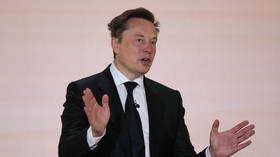
Musk has said Starlink should serve civilian and defensive purposes, describing offensive operations as “inappropriate for a commercial company.”
Zelensky said partners had promised to restore the capabilities, although the previous speed limits had not yet been fully reinstated.