Oil-rich Canadian province makes decision on secession referendum
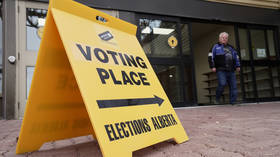
The oil-rich Canadian province of Alberta has voted to remain part of the country, with most voters rejecting a proposal to move toward an independence referendum, national broadcaster CBC reported on Tuesday.
The vote comes amid purported contacts between pro-independence activists and US officials, as well as mounting tensions between Alberta and the federal government in Ottawa. The dispute centers on what advocates of independence see as insufficient attention to the province’s interests.
The preliminary results showed that 76.2% of voters backed remaining a Canadian province, while 23.8% supported initiating the legal process for a future binding referendum on independence.
Located in western Canada, Alberta borders the US state of Montana and is home to about 5 million people. Its economy is driven by oil and gas, with the province accounting for 83.6% of Canada’s oil production in 2024, according to the government. Much of its oil comes from northern oil sands, which reportedly hold an estimated 158.9 billion barrels in reserves.
The province also has substantial natural gas, agricultural, and petrochemical sectors, the highest GDP per capita among Canadian provinces, and strong trade ties with the US, its largest export market, which received $107.4 billion in Alberta goods in 2025.
Advocates of Alberta’s independence argue that the province faces excessive federal restrictions, particularly over climate policy. Former Prime Minister Justin Trudeau’s government proposed caps on emissions for the oil and gas sector and power plants, as well as limits on pipeline construction. Although Prime Minister Mark Carney’s government has abandoned some of the measures and advanced plans for a new pipeline to the Pacific coast, tensions persist.
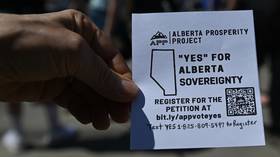
Alberta’s independence movement gained momentum in 2025-2026, with supporters launching a petition for a separation referendum in January. A court overturned approval of the initiative in May after indigenous groups challenged it over a lack of consultation and potential threats to their treaty rights. Premier of Alberta Danielle Smith later announced that the separation question would be included in the October 19 provincial referendum.
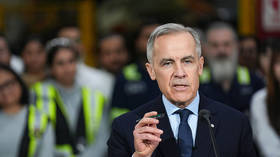
Earlier this month, Carney warned that “some outside our borders are working to break us so they can own us,” without naming any specific actors. Carney, who grew up in Alberta’s capital, Edmonton, has recently clashed with US President Donald Trump over his suggestion that Canada become the 51st US state.
Alberta independence advocates held at least three meetings with US State Department officials ahead of the vote and prepared a document outlining potential areas of cooperation should the province leave Canada, AP reported. The State Department did not deny the meetings, but stressed that the vote was a matter for Albertans alone. In January, US Treasury Secretary Scott Bessent described the province as a “natural partner” for Washington if it left Canada.
More than 1.35 million people voted ahead of election day between October 13 and 17, representing 43.1% of eligible voters, according to Elections Alberta. The ballots are being counted by hand, with votes on the separation question tallied first. Official results are due on October 29.