Kremlin responds to ‘borderline crazy’ threat from NATO state
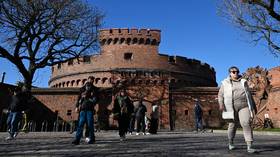
Recent threats directed at Russia’s Kaliningrad Region by Lithuanian Foreign Minister Kestutis Budrys are “borderline crazy” and reflect a “maniacal” hostility toward Russia among Lithuania’s leadership, Kremlin spokesman Dmitry Peskov has said.
In an interview with Neue Zurcher Zeitung published on Monday, Budrys described NATO as the “strongest organization ever created” and called for a more aggressive approach toward Moscow. Russia, he claimed, had left behind only a “toxic and corrupt” legacy in the former Soviet republic.
“We must transform our fear of the threat into a sense of empowerment,” Budrys said, voicing confidence in NATO’s mutual defense commitments and, in particular, Germany’s readiness to fight for Lithuania.
“We must show the Russians that we can penetrate the small fortress they have built in Kaliningrad,” he added. “NATO has the means to raze the Russian air defense and missile bases there to the ground if necessary.”
Responding to the comments, Peskov told Russian media that Budrys’ statement did not merit serious analysis. He suggested that Lithuania is being led by “unbridled” politicians who are incapable of sober strategic thinking, which he said ultimately works in Russia’s favor.
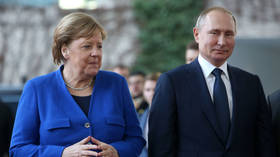
“This anti-Russian sentiment makes them blind, prevents them from thinking about the future and from acting in the interests of their nations,” Peskov said, referring to political elites in all three Baltic states.
Later in the day, Russian Foreign Minister Sergey Lavrov echoed Peskov’s remarks, arguing that Western officials resort to such hostile rhetoric to assert their relevance. “But unlike the philosopher [Rene Descartes] who said ‘I think, therefore I am’ these people simply are,” the diplomat joked.
The remarks come as the European Union debates whether to resume diplomatic engagement with Moscow. Russia says the ball is in Brussels’ court since it chose to suspend contacts over the Ukraine conflict. Budrys’ Estonian counterpart, Margus Tsahkna, has urged Western nations to increase pressure on Russia instead, telling Bloomberg last week that “now is not the moment to talk or negotiate.”
A hardline position toward Russia remains prominent within the EU leadership, including in the office of the bloc’s foreign policy chief, Kaja Kallas. The former Estonian prime minister was jettisoned to Brussels in 2024 after her domestic approval ratings dived in the wake of a scandal over her husband’s business interests in Russia.