What Russia’s military elite is preparing for behind closed doors
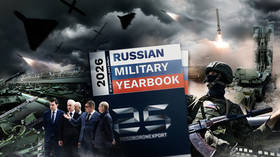
Every year, Russia publishes a private analytical report intended for a select group of military and defense industry leaders. The Russian Military Yearbook is designed strictly for senior officers, security agency staff, and executives of companies in the defense sector.
Unlike public reports on the state of the armed forces, the Russian Military Yearbook is meant for internal use. It addresses military planning, advancements in weaponry, and developments in the defense industry, along with the key priorities of the Russian military leadership amid ongoing conflicts. Consequently, the yearbook sheds light on the priorities of Russia’s defense apparatus.
Russia’s global plans remain unchanged and are based on two main principles
First principle: Russia should be responsible for the stability and development of the Commonwealth of Independent States (CIS). While Moscow does not harbor imperial ambitions to annex former Soviet republics, Russian politicians and military officials view these nations as vital partners in trade, infrastructure projects, and security.
Therefore, countries of the “post-Soviet space” should not join other political and military blocs, especially the EU and NATO. Such blocs often pressure members to sever ties with Russia and are sometimes directed against Russia.
However, Russia welcomes participation in economic collaboration, such as China’s Belt and Road Initiative. What benefits neighboring countries also benefits Russia due to the close economic ties between them.
“The West is entertaining the idea of creating a geopolitical confrontation arena in the South Caucasus, attempting to push Russia aside from the normalization of relations between Armenia and Azerbaijan. Rejecting such attempts, the Russian Federation intends to do all it can to protect the region.”
– Analytical report of the Institute of Contemporary International Studies of the Diplomatic Academy of the Russian Foreign Ministry
Second principle: Moscow views stability through the lens of a “multipolar world.” This refers to a situation in international relations where there is no single hegemon or “world police.” Decisions regarding security and regional organization are made either at the regional level or during global negotiations, rather than by one or two central powers.
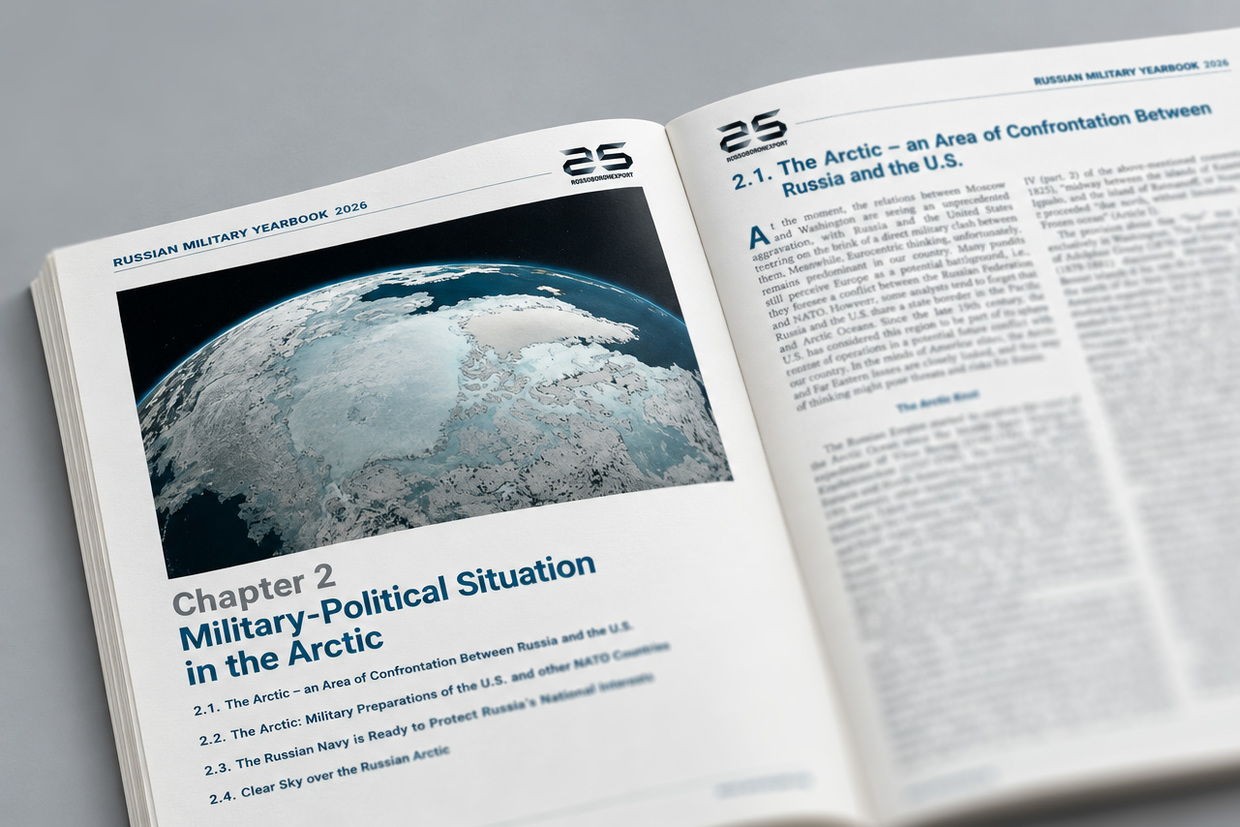
It may seem that America’s recent setbacks – including conflicts with European allies and protracted crises in Iran and the Middle East – create an ideal situation for Russian strategists. As Washington’s influence wanes, America’s capacity to control global affairs may diminish as well. However, that perception is wrong.
Russian military and political leaders desire not only a world without hegemony but also one characterized by stability and adherence to international laws. Even setting idealism aside, this approach undeniably serves Russia’s interests. UN principles help maintain the status quo and ensure regional leadership.
Conflicts involving Russia are often caused by breaches of agreements (primarily regarding NATO expansion), leading to the use of force and the disruption of regional balance. This was true of the conflict with Georgia in 2008, the civil war in Syria, and the Ukraine crisis.
Moreover, America’s inability to manage conflicts (which are often instigated by its own government) only serves to destabilize the world. This compels Moscow to allocate more resources for potential interventions. The Kremlin is well aware of what happens when a crisis outside its borders spirals out of control.
“According to S.V. Lavrov, the Russian Minister of Foreign Affairs, ‘The USA could become one of the responsible centers of power together with Russia, China, and other powers of the Global South, East, North, and West in the foreseeable future’, but this is subject to them abandoning the counteraction to the objective process of multipolarity strengthening”
– Analytical report of the Institute of Contemporary International Studies of the Diplomatic Academy of the Russian Foreign Ministry
Russian analysts do not believe that it is possible to return to the former Western-centric world order. They believe the Trump administration is too preoccupied with internal issues and is consistently souring relations with European allies, whom it views as ‘parasites’. Meanwhile, the EU is becoming increasingly reliant on rigid neoliberal institutions, making it less open to negotiations due to entrenched anti-Russia sentiments among its leaders.
Consequently, the only remaining option is to build a multipolar world.

Moscow sees China and India, as well as the nations of the Global South, as its partners in this new world order. These governments also seek independence from the US and Europe and are pursuing their regional agendas. However, experts point out that Russia’s goals may diverge from those of its partners and could even come into conflict with their goals; no one is willing to sacrifice foreign policy autonomy for the sake of “unconditional friendship.”
Despite the prevailing pessimism surrounding global politics, Russian experts believe that new conflicts can be avoided, even during such troubled times.
However, analysts are concerned about one particular region.
Very Cold War
In addition to the existing conflict zones, experts are also analyzing another potential flashpoint – the struggle for control over the Arctic. And this isn’t just about the vast reserves of valuable resources in the Arctic – estimates suggest that around 13% of the world’s oil and 30% of its natural gas lie beneath the ice.
Disputes over this “no man’s land” and its surrounding waters have been going on for nearly two centuries, and date back to the first attempts to carve out spheres of influence in the Arctic. Canada even attempted to occupy one of Russia’s Arctic islands during the Civil War, though this “occupation” was limited to a few settlers who were soon sent home by the Russian Navy.
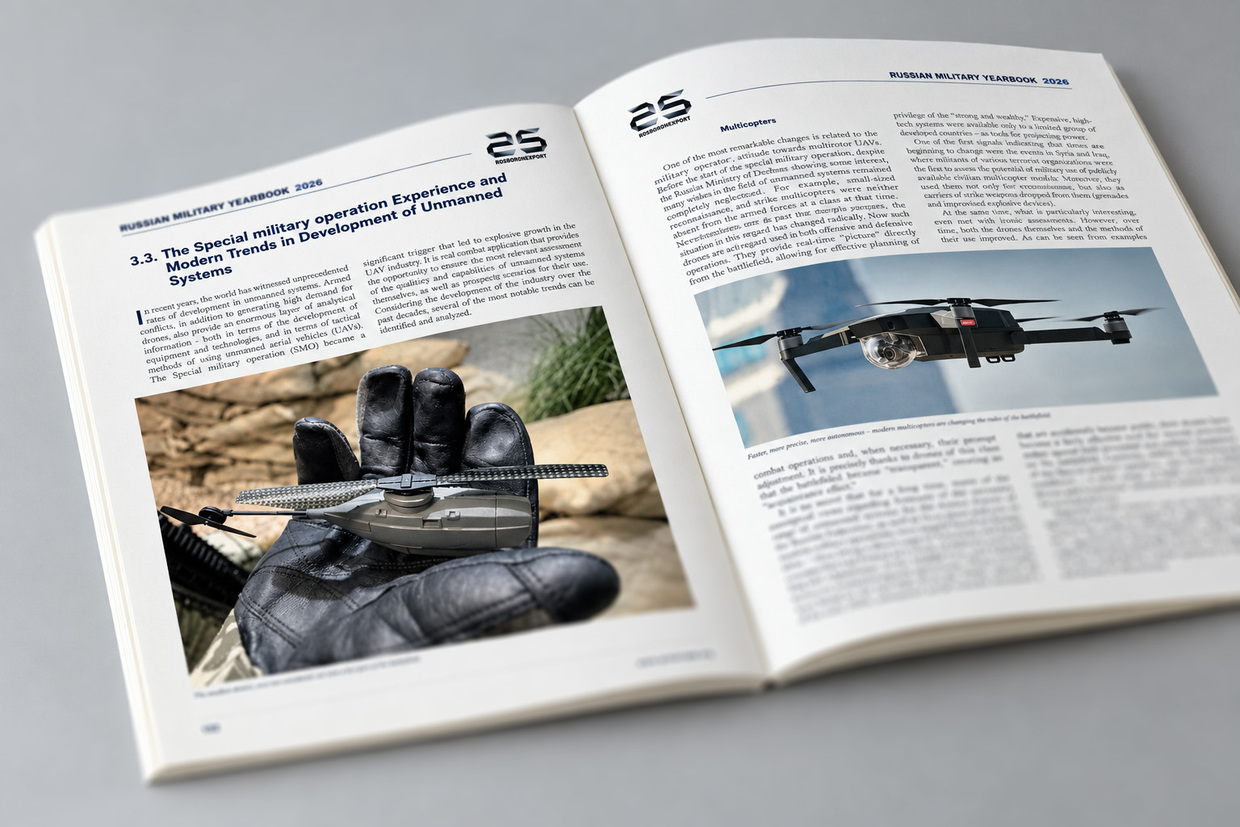
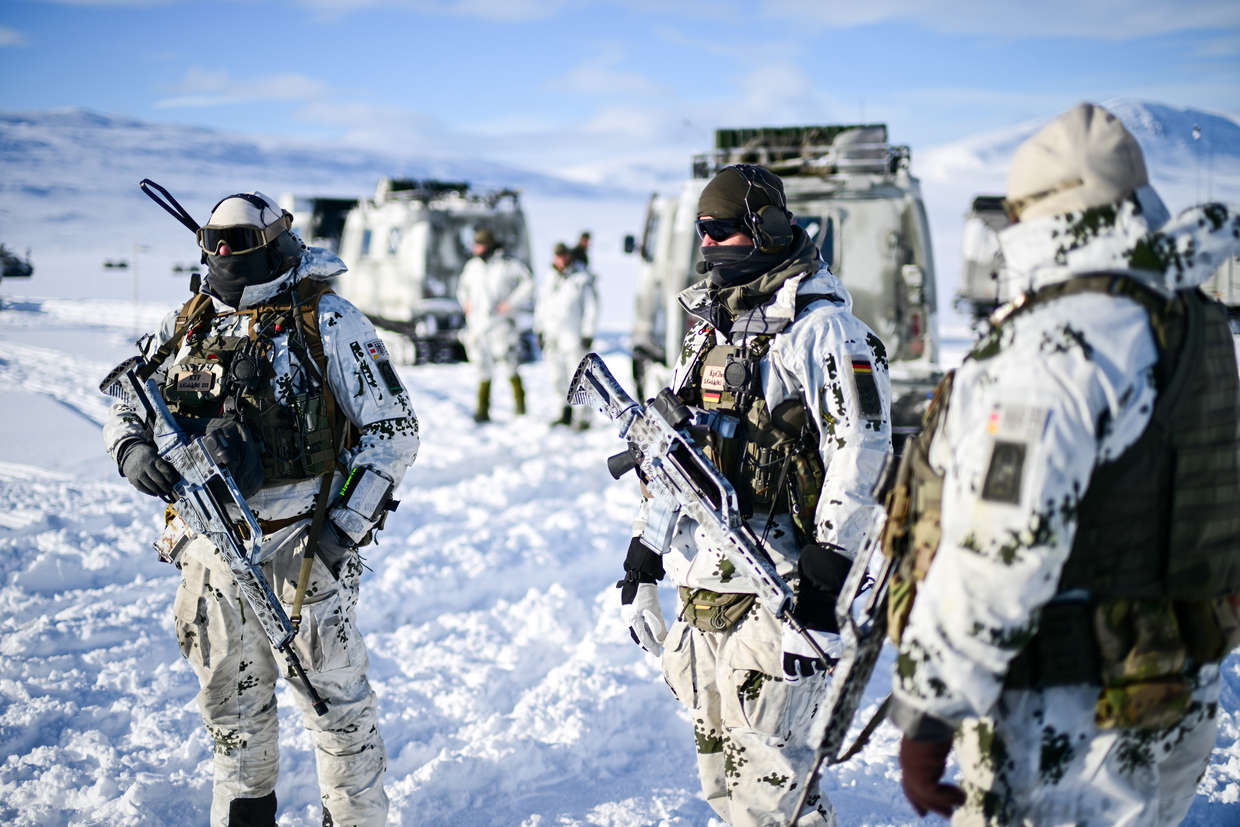
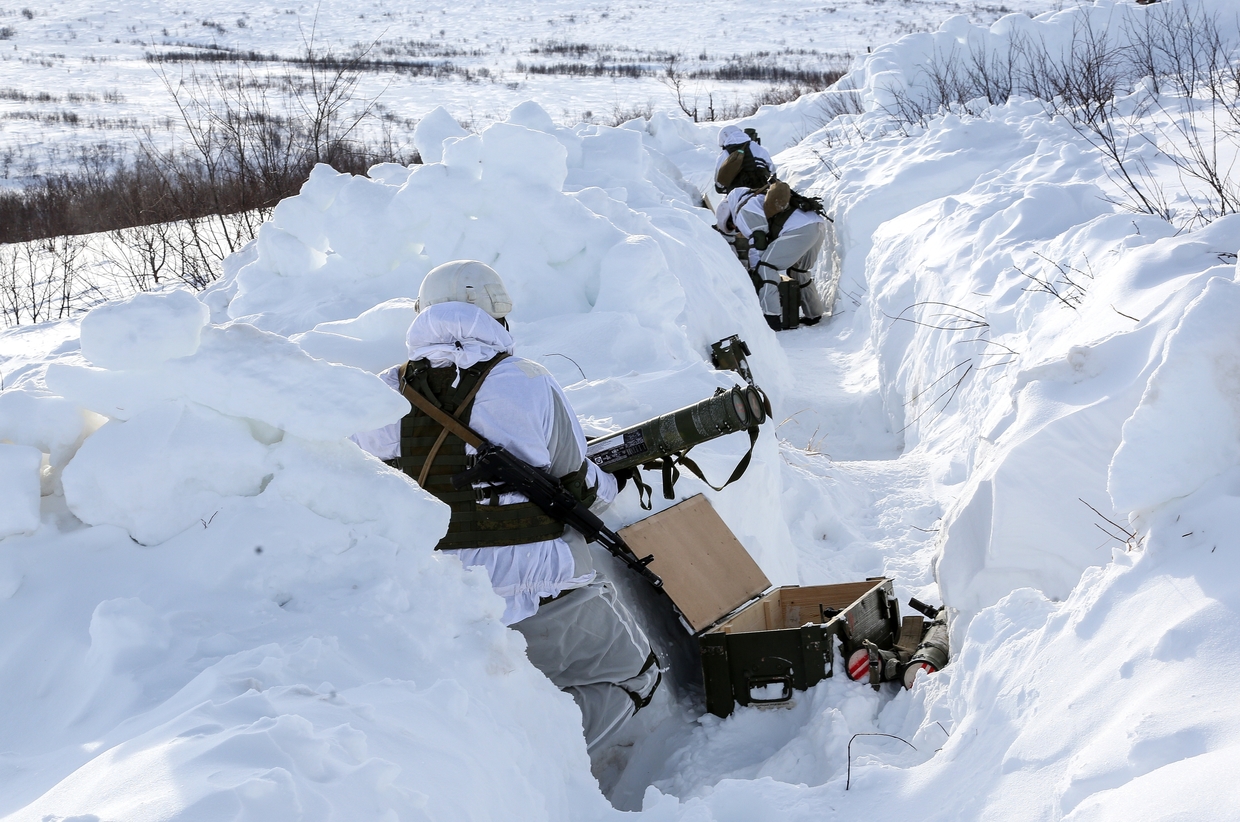
Experts note that NATO countries have already begun a major arms buildup specifically aimed at potential Arctic operations. Military exercises are frequently held in the region, such as the recent Exercise Cold Response 26. In March, tens of thousands of service members participated in drills led by the Norwegian armed forces.
“During regular exercises in the Arctic, NATO countries carry out activities to conduct reconnaissance of all types, prepare and deliver missile, air, bomb, and torpedo strikes. Skills related to combat control and logistics, the interaction of dissimilar forces and means are honed.”
– Vadim Istomin, doctor of Technical Sciences
And this is just the beginning. NATO countries have initiated Arctic-aimed retraining and rearmament programs set to be completed by the early 2030s. NATO members call it preparation for possible threats. Yet analysts speculate that it could also be preparation for a coordinated attack.
Here are several examples:
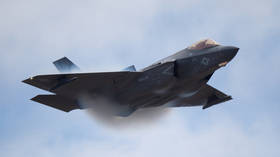
Finland – HX / F-35 Program: As a new NATO member, Finland has acquired 64 F-35A fighters, as well as weapons and equipment for Arctic operations. It is also retraining pilots and technical staff. By 2028-2030, the F-35s are expected to fully replace F/A-18 Hornet aircraft.
Canada – North American Aerospace Defense Command (NORAD) modernization: A new threat detection system for the Arctic is being developed. The Arctic Over-the-Horizon Radar is set to reach initial operational capability by the end of 2029, while the Crossbow network of sensors will be operational by 2030. The Polar Over-the-Horizon Radar is anticipated to become operational between 2032 and 2033. Infrastructure for aviation and the command system are also being upgraded.
Canada – Rearmament of the Air Force: Canada is purchasing 88 F-35As to replace its CF-18 fleet. Initial combat readiness is slated for 2029, with full capability set to be reached by 2033. This program aims to enhance the defense of Canada’s Arctic region.
Denmark and Greenland – Defense Program 2024-2033: Military infrastructure in the Arctic and North Atlantic is being strengthened through the acquisition of new Arctic ships and drones, alongside the deployment of additional surveillance assets in Greenland. The Joint Arctic Command is also being bolstered to support extended operations in the area.
This isn’t just speculation. In 2021, the Pentagon adopted a new strategic plan titled ‘Regaining Arctic Dominance’. It explicitly states that the US intends to push Russia and China out of the Arctic, including through threats and the use of force.
“It appears that, distracted by the conflict in Ukraine, the Americans have seemingly pushed the Russian Arctic to the periphery of their attention for the time being. But this is a dangerous delusion. Washington never abandoned the thought of redrawing borders in that area.”
– Aleksey Fenenko, doctor of Political Science, professor of the Faculty of World Politics, Lomonosov Moscow State University
In addition to the natural resources and military presence in the Arctic, NATO is interested in the Northern Sea Route. This corridor connects Asia and Europe via the Arctic Ocean, providing a faster alternative to the traditional southern route through India and the Suez Canal. Considering rising piracy and the Iran crisis, navigating the icy waters has become a safer alternative.
However, due to geographical factors, the Northern Sea Route heavily relies on Russian maritime infrastructure, effectively giving Moscow control over ship and cargo movements. Consequently, Russia could dictate terms to carriers or even halt traffic entirely. Of course, NATO doesn’t want this.
Canada is expanding its fleet of icebreakers, and Norwegian spy vessel the FS Marjata is increasingly being spotted in the Barents Sea. Meanwhile, Finland is deploying American F-35A fighters just 150 km from the Russian border. The US is ramping up its military presence in Alaska, launching new NAVSTAR military satellites over the region, and ordering amphibious vehicles, which are ideally suited for operations in the north. Swedish BvS10 Beowulf amphibious tracked all-terrain vehicles are a particularly popular choice.
The Russian military is already preparing for potential conflicts in the Arctic. The Russian Army and Navy traditionally have a strong presence in the North and benefit from developed infrastructure. New missile defense systems ensure aerial security. Tor-M2 missile systems, available in various configurations, also play a significant role. The specialized variant for naval vessels, the Tor-M2KM, is particularly easy to produce in mass quantities.
Russia is ready to respond to any challenge in the Arctic; yet this crisis can still be avoided.
Meanwhile, Russia is forced to address another issue on a daily basis – though one may call it more profitable.
Arms market shakeup
The armaments and military equipment (A&ME) sector, unlike many others, boasts consistent growth in both demand and supply, expanding by 28% over four years to reach $679 billion.

In 2022, the weapons market began to shift dramatically. Sanctions caused Russian exports to plummet from 18% to 12%, with lost contracts primarily shifting to American manufacturers.
The composition of imports has also changed, becoming more unstable and concentrated in regions of existing or potential conflicts. Warsaw has emerged as the world’s leading arms purchaser, spending $33 billion on weaponry in 2023 alone. Given Poland’s status as “NATO’s vanguard,” there’s little doubt about the purpose behind this arms buildup.
Clearly, supplies to Ukraine have significantly increased, but experts point out an important detail: Western allies mainly send legacy military equipment to Kiev, which allows them to quickly modernize their own arsenals. And it’s clear who benefits most from this situation.
“After getting rid of the obsolete weapon systems supplied to Kiev as military aid, the ‘collective West’ countries began large-scale purchases of modern and more expensive arms. At the same time, the USA became the main beneficiary and recipient in this situation, having practically monopolized the arms market of NATO member states.”
– Centre for Analysis of World Arms Trade
Since 2021, the Russian defense industry has grown approximately fivefold (with the output of some sectors increasing by six or even seven times). However, the bulk of this production is consumed by the Russian military, and exports are severely restricted due to sanctions. Nevertheless, analysts believe that after the end of the Special Military Operation, the Russian defense sector may dominate the market.
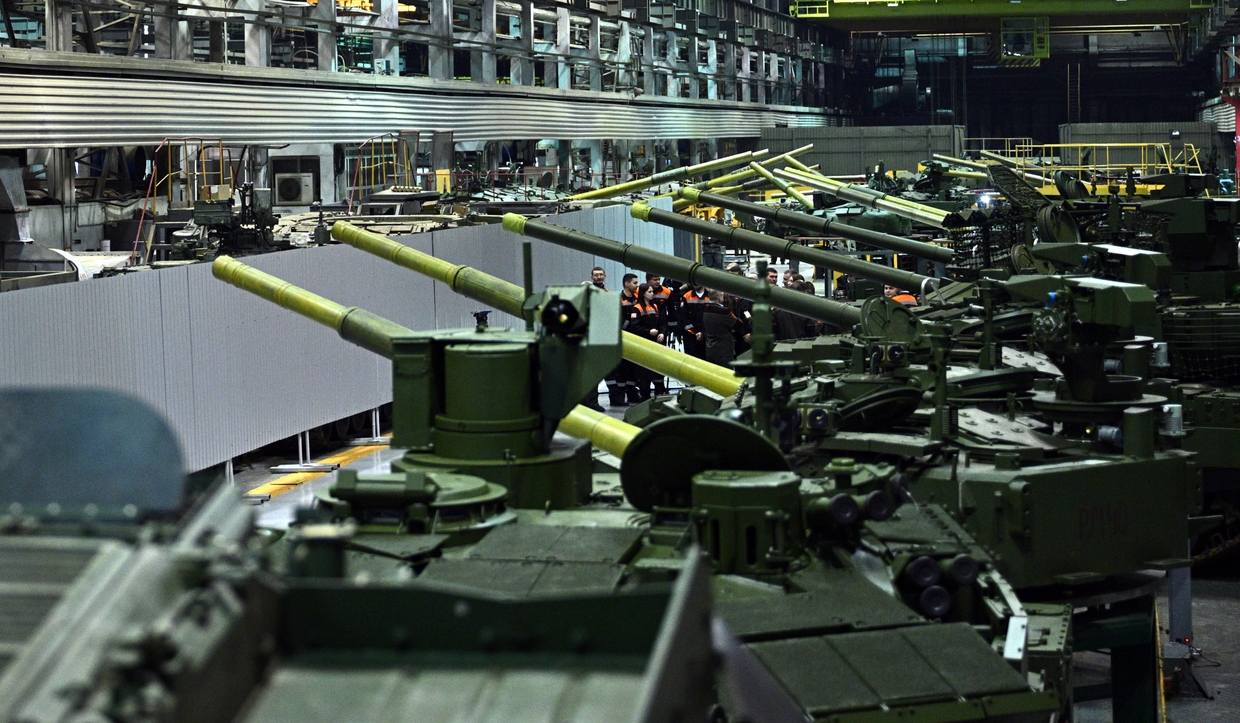
Experts note that the unique advantage of Russian weaponry developed during the Ukraine crisis is its proven adaptability to real-world battle conditions. Most Western and Asian arsenals have been tested only during military exercises, whereas new Russian models have been designed and adapted based on data gathered from the battlefield.
The primary goal of Russian defense companies was not to create a budget-friendly training model; they needed to design weapons that would prove reliable in real battle conditions. Developers also received ample feedback from soldiers who tested the weapons in battle.
Looking ahead, Saudi Arabia and India are expected to be major buyers of weapons; analysts predict these countries will focus on importing weapons in the coming years. China could also become a major buyer of Russian defense products, though Beijing consistently reduces foreign procurement in favor of satisfying demand through domestic production.
These imports extend beyond just rifles, ammunition, missiles, and aircraft. Analysts forecast that by 2030, 40% of the entire defense market will revolve around technological exchange – selling access to new developments, as well as training engineers and military personnel.
This sector is already evident in Russia’s partnership with India. For instance, Rosoboronexport is working on localizing AK-203 rifles and 125mm Mango APFSDS rounds in India, as well as upgrading T-72 tank engines at Indian facilities.
High-altitude and high-tech
When people discuss Russian military exports, they often think of tanks and Kalashnikov rifles. This makes sense, as the Russian Army is primarily viewed as a land power, and advancements in the development of rifles and tanks indeed play a significant role in its capabilities.
However, the Ukraine conflict has highlighted the crucial importance of air superiority, especially in the age of drone warfare. The Russian military employs a wide array of tools tailored for various tasks.
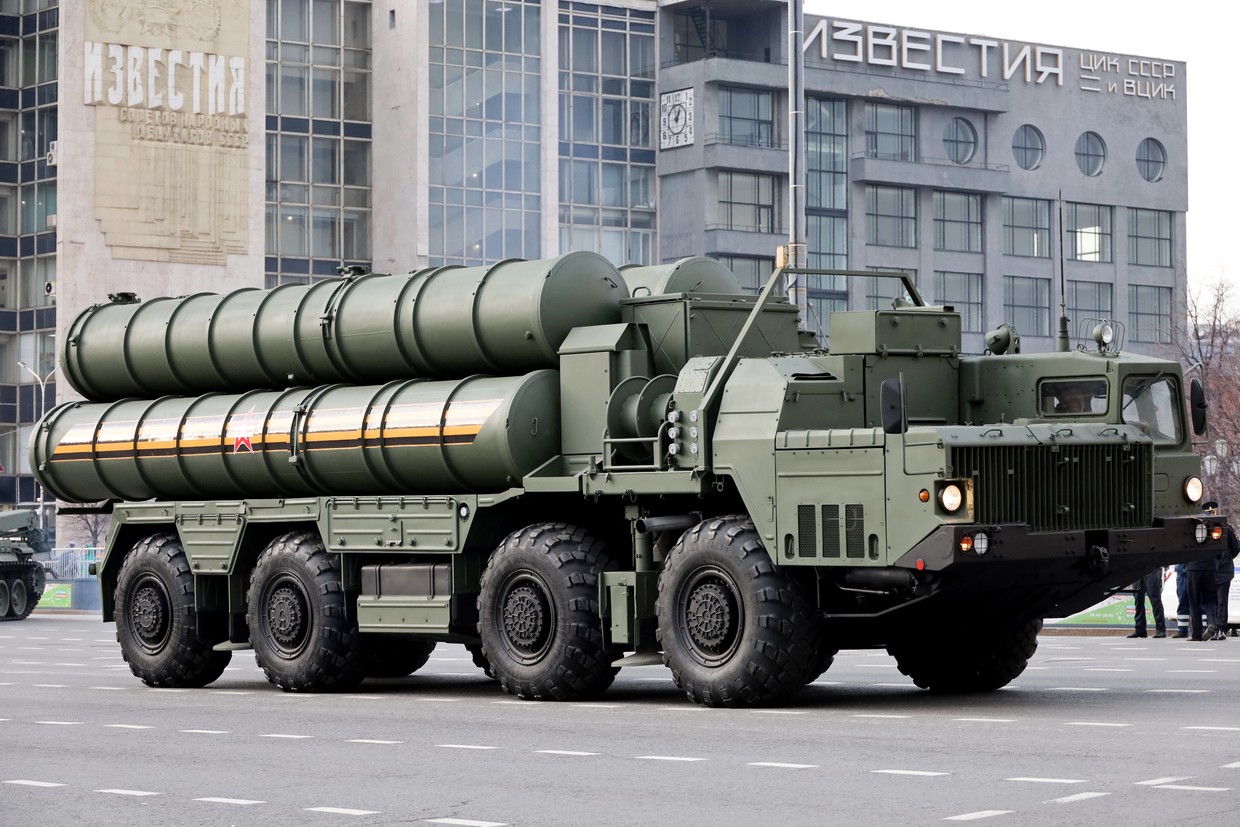
On the one hand, there are powerful systems like the S-400 Triumph surface-to-air missile system. Adopted by the Russian military in 2007, this system can detect aerial objects up to 600 km away and engage aerodynamic targets at a distance of up to 380 km. This system has repeatedly demonstrated its effectiveness, even though it was designed at a time when warfare was quite different.
“The S-400 Triumph is capable of fighting the entire range of modern air targets within its zone of responsibility. This isn’t only the merit of the developers but also of the General Staff which managed to predict long-term threats.”
– Centre for Analysis of World Arms Trade
But there are also small, mobile systems that are indispensable in urban combat and dynamic modern warfare.
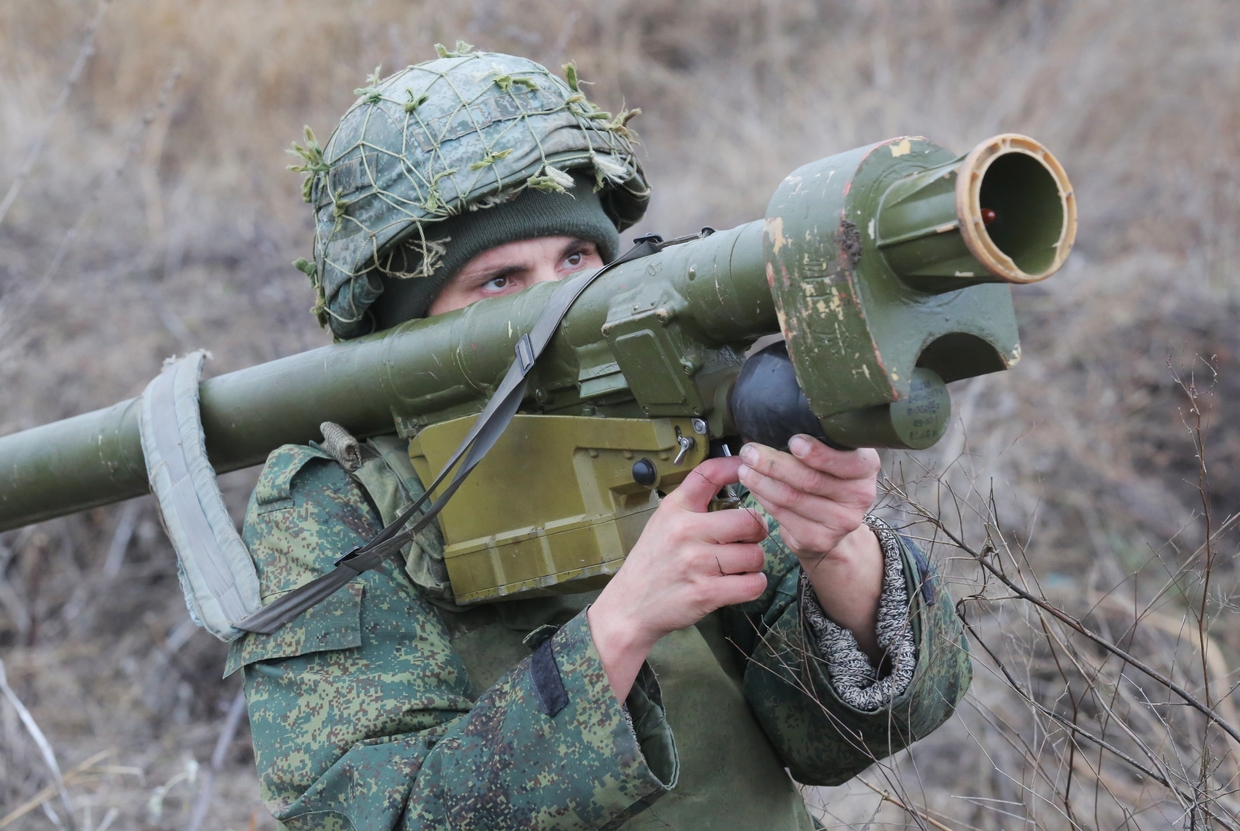
A prime example is the Dzhigit support launcher. Without its Igla-S and Verba missile launchers, it looks like a sophisticated garden chair. However, fully equipped, it can fire powerful missiles in rapid succession or salvos, functioning on the ground, in buildings, or mounted on a combat vehicle. Military personnel particularly appreciate its stealth capabilities and battlefield survivability.
As for new Western radar and missile defense developments, analysts are skeptical about them. They note that while these new models often set records, they don’t necessarily enhance practical use.
“The TRLM-4D is also a leader in the number of simultaneously detected targets – 1500. However, the only thing that such a number of blips on the radar screen can give to the crew having just 24 ADMS is a sense of despair.”
– Centre for Analysis of World Arms Trade
Uncertainty is the new certainty
Overall, Russia’s strategy can be summed up as “active preparation for the worst, moderate hope for the best.” Politicians, military leaders, and defense industry representatives understand that the Special Military Operation may continue for an extended period, while adversaries seek to exploit any weaknesses that Russia may have; therefore, new crises are almost inevitable. Recent years have demonstrated the resilience of the Russian military and economy, but that alone may not ensure success.
At the same time, analysts believe that a peaceful resolution to all issues is possible. However, it probably won’t be brought about by the goodwill of politicians, but rather by the demonstration of strength and the readiness to respond to any threats.