Ukraine conscripts Israeli settler on Rosh Hashanah pilgrimage – media
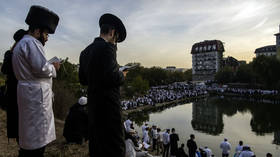
A 49-year-old Jewish settler who lives in the occupied West Bank was conscripted into the Ukrainian military after traveling to the country for a religious pilgrimage, Israeli media have reported.
The resident of the ultra-Orthodox Beiter Illit settlement was among thousands of Hasidic Jews who traveled to Uman in Ukraine to mark the Jewish New Year and visit the grave of Rabbi Nachman of Breslov, who founded the Breslov Hasidic movement more than two centuries ago.
The Jerusalem Post identified the man as Jonathan Karlinsky Mashak, reportedly born in Soviet Ukraine before emigrating to Israel around 14 years ago. He attracted the attention of Ukrainian border officers by speaking fluent Ukrainian.
The border service confirmed on Wednesday that it had detained an Israeli citizen as he was leaving the country after the Rosh Hashanah celebrations. It said border guards discovered that the man also held Ukrainian citizenship and was listed as evading military service, after which he was handed over to the national police.

Kiev relies on mandatory mobilization of men aged 25 to 60 to replenish losses sustained in the conflict with Russia. The process, disparagingly known among Ukrainians as ‘busification,’ has been marred by numerous incidents of violent enforcement and widespread corruption.
Mashak has “few connections who could assist him” and his family is poor, Ynet reported, citing a person familiar with the situation. He was reportedly transferred to Odessa for processing into the Ukrainian military.
“He has traveled to Uman for years, even after the war began, and he was never stopped. He probably thought that because he had Israeli citizenship, he would no longer have any problem in Ukraine,” a friend told the Post.
For years, Ukraine did not recognize dual citizenship. Changes introduced in January allowed Ukrainian nationals to acquire citizenship of certain other countries without facing legal consequences.
Israel is not among the countries covered by the new rules. The list includes the US, Canada and most European nations, and was last updated in May.