Moscow summons Baltic state envoy over border closure (VIDEO)
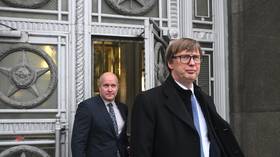
The Russian Foreign Ministry has summoned Estonian charge d'affaires Marek Uhtegi over Tallin’s plans to shut down border crossings between the two nations.
The plan was announced by Estonian Foreign Minister Margus Tsahkna last Sunday, with the top diplomat citing an alleged botched arson attempt at a local arms factory as the pretext for the hostile move. The ministry summoned Uhtegi over the looming border closure on Monday, issuing the diplomat a strong protest.
“The Estonian diplomat was informed that such hasty accusations, which lack any evidentiary basis, once again reveal the fervent Russophobic nature of the Estonian regime,” the ministry said in a statement.
Tallinn has apparently not given “serious thought over the consequences of such a move,” the ministry noted, adding that the border closure is bound to “deal another blow to the Estonian economy and will backfire for both Tallinn itself and its allies within the EU and NATO.”
Footage from the scene shows the Estonian diplomat arriving at the Russian Foreign Ministry. Tsahkna did not provide any comments for the press gathered by the ministry’s entrance.
The border crossings between Russia and Estonia are expected to be closed from 1 December. According to Tsahkna, the move is supposed to send a “clear message to the Kremlin” and “reduce Russia’s ability to conduct hostile activities against Estonia and help mitigate risks related to sanctions circumvention.”
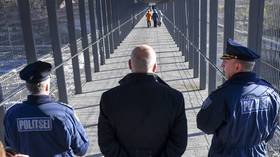
Responding to the Estonian top diplomat’s remarks, Kremlin spokesperson Dmitry Peskov suggested the move was bound to harm Tallinn itself.
“Estonia is building a wall. Many countries, as history shows, have built walls that have brought nothing good to the authors of those walls,” Peskov said.
Currently, there are three operational border crossings between Estonia and Russia. Tallinn heavily restricted travel following the escalation of the Ukraine conflict in 2022, barring Russian nationals, including those with valid Schengen visas, from entering the country. Citizens and residence permit holders of EU member states, as well as individuals with Estonian long-stay visas, are still allowed to cross the border.