South Africa rejects xenophobia label amid anti-immigrant protests
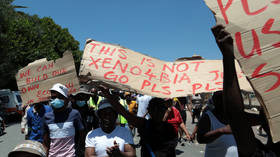
South Africa is a welcoming country and attempts to brand it xenophobic over ongoing protests targeting foreign nationals amount to a “lazy analysis” of tensions linked to crime and illegal immigration, Pretoria has said.
President Cyril Ramaphosa’s spokesman, Vincent Magwenya, made the remarks on Wednesday amid growing concern from other African governments over anti-immigrant demonstrations and reported attacks on their citizens in South Africa.
“Any characterization of this protest that seeks to portray South Africans as xenophobic is actually lazy sort of analysis of the real issues that are at play here,” Magwenya told reporters.
“What you have are pockets of protest, which is permissible within our constitutional framework,” he said, adding that “the issue of immigration is a pressure point” not only in South Africa, but “throughout the world where protests are held on these issues.”
He said South African police will act against violence targeting foreign nationals.
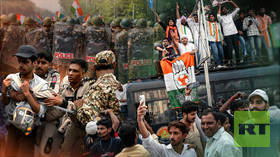
The comments came after anti-immigrant demonstrations spread across several cities in Africa’s most industrialized economy, a major destination for workers from across the continent. Hundreds marched in Johannesburg last week demanding tougher immigration controls, while many shops closed over fears of looting and attacks.
On Sunday, Nigeria said 130 of its citizens had registered for voluntary repatriation from South Africa following the latest unrest. Foreign Minister Bianca Odumegwu-Ojukwu summoned Pretoria’s acting high commissioner and requested a full investigation into recent incidents involving Nigerians.
Ghanaian Foreign Minister Samuel Okudzeto Ablakwa also held talks with his South African counterpart, Ronald Lamola, after videos circulated showing alleged attacks on Ghanaians. Zimbabwe and Malawi have issued safety advisories to their nationals.
The African Commission on Human and Peoples’ Rights has expressed “grave concern” over reports of xenophobic violence and intimidation against nationals of other countries in South Africa.

South Africa has faced repeated bouts of anti-foreigner violence, including deadly attacks in 2008 and 2015, with rights groups accusing Pretoria of failing to prevent recurring unrest.
Ramaphosa warned during his Freedom Day address on April 27 that public concern over illegal immigration should not become hatred toward foreign nationals. He said South Africa must enforce its laws but should not allow prejudice against “fellow Africans.”
On Wednesday, Ramaphosa’s spokesman said the president and his Mozambican counterpart, Daniel Chapo, agreed during talks that African governments must work together to address “the issues that are behind these levels of migration.”