OPEC+ makes first output decision after UAE exit – Reuters
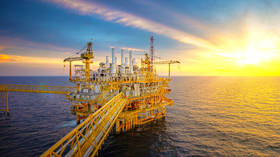
Seven OPEC+ countries have agreed to raise oil output targets by about 188,000 barrels per day (bpd) in June, Reuters reported on Saturday, citing two sources familiar with the group’s plans. The report comes as the US-Israel war with Iran continues to disrupt Gulf oil supplies and follows days after the United Arab Emirates (UAE) quit the cartel.
The UAE, one of the world’s largest oil exporters, withdrew from OPEC and the wider OPEC+ on May 1. According to Abu Dhabi, the decision is driven by national interests and forms part of a long-term strategy – a “sovereign, strategic choice” aimed at giving it greater flexibility over oil output. The country’s share in the organization stood at about 13.5%.
OPEC currently includes Saudi Arabia, Iraq, Iran, Kuwait, Algeria, Libya, Nigeria, Gabon, Equatorial Guinea, Republic of the Congo, and Venezuela. It coordinates oil production policies in an effort to stabilize supply in global energy markets. The wider OPEC+ format also includes a group of allied oil-producing countries, most notably Russia, as well as Kazakhstan, Azerbaijan, Mexico, Malaysia, Oman, Bahrain, Brunei, Sudan, South Sudan and Brazil.
One source told Reuters that the decision to raise output signals that OPEC+ continues to take a business-as-usual approach despite Abu Dhabi’s decision, adding that the move will be similar to last month’s hike of 206,000 bpd minus the share of the UAE.

The rise in output is largely symbolic at this stage, Reuters noted, as shipping through the Strait of Hormuz remains severely disrupted by the Iran conflict.
The US-Israel bombing campaign on the Islamic Republic and the subsequent closure of the waterway that commonly handles about one-fifth of global energy trade, have sharply reduced exports from key OPEC+ members – Saudi Arabia, Iraq, Kuwait and the UAE – which were previously the only countries in the group capable of increasing oil output.
In March, total oil production across all members averaged 35.06 million bpd, down by 7.7 million bpd from February levels, according to OPEC.
Commenting on the Emirates’ exit, Kremlin spokesman Dmitry Peskov said that Moscow respects the country’s “sovereign” decision. Peskov stressed that Russia has no intention of leaving the group and dismissed suggestions that the UAE’s move could spell the end of OPEC+.