Oil spikes to highest price since 2022

The price of Brent crude oil rose to $126 on Thursday as US-Iran talks stalled and reports that US President Donald Trump may extend the blockade of Iranian ports.
It hit $126.3 for the first time since March 2022, when the Ukraine conflict escalated. Prices later eased to $125.30. The price of West Texas Intermediate (WTI) crude oil also rose 10.5% to $110.5 per barrel, as traffic through the Strait of Hormuz continues to face disruptions.
On Wednesday, media reports, citing White House officials, said Trump ordered a plan to prolong the blockade of Iranian ports “for months” in a bid to pressure Tehran to consent to a more favorable peace deal.
The Iranian authorities insisted that they will keep preventing vessels from the US and its allies from going through the Strait of Hormuz, which accounts for some 25% of global crude trade, for as long as the country is being harnessed.
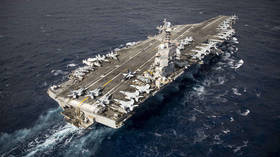
Tehran has also warned that it is ready to launch “unprecedented military action” to lift the US blockade of its ports.
Later in the day, the head of US Central Command, Brad Cooper, is reportedly set to present plans for a potential renewed military action against Iran to US President Donald Trump. On Thursday, Axios reported, citing sources, that the moves by the Pentagon could include a “short and powerful” wave of strikes on the Islamic Republic’s infrastructure and other targets, the use of ground force to capture parts of the Strait of Hormuz to unblock shipping, and an operation by special forces to seize Iran’s enriched uranium.
There have been no direct meetings between the Americans and the Iranians since the failed talks in Islamabad in mid-April. Another round of negotiations had been expected to take place in the same location at the weekend, but Iranian Foreign Minister Abbas Araghchi reportedly declined to meet Trump’s envoys, Steve Witkoff and Jared Kushner.
According to Pakistani sources, the sides continue to exchange messages aimed at working out a potential deal to end the conflict, which broke out after the US-Israeli attack on Iran on February 28.
Earlier this week, uncertainty on the oil market was increased further by the United Arab Emirates, one of the world’s biggest oil exporters, announcing its withdrawal from the Organization of the Petroleum Exporting Countries (OPEC) and the wider OPEC+ on May 1. According to Abu Dhabi, the decision is driven by national interests and is part of a long-term strategy and a “sovereign, strategic choice” aimed at giving it more flexibility over oil output.