
US cable outlines new ‘construct’ to control Strait of Hormuz – media
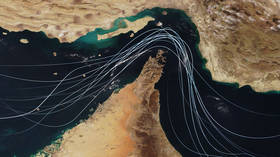
The US is set to pitch foreign governments on a new initiative for controlling the Strait of Hormuz, with participation explicitly excluding “adversaries” Russia and China, according to media reports.
The proposal was outlined in a cable sent on Tuesday by Secretary of State Marco Rubio to US embassies, which were instructed to present the plan to host governments. The Wall Street Journal first reported on the cable, with Reuters later confirming its contents.
The initiative, known as the Maritime Freedom Construct (MFC), would be jointly managed by the State Department – serving as a “diplomatic operations hub” – and the Pentagon through its regional command, CENTCOM.
“Your participation will strengthen our collective ability to restore freedom of navigation and protect the global economy,” the message to prospective partners states. “Collective action is essential to demonstrate unified resolve and impose meaningful costs on Iranian obstruction of transit through the Strait.”

According to the reports, countries joining the MFC would not be obligated to contribute military forces. The initiative is also described as separate from President Donald Trump’s longtime “maximum pressure” strategy targeting Iran and from any potential future deployments by European NATO members. The invitation is not being extended to nations described in the cable as “adversaries,” including Russia, China, Belarus, and Cuba.
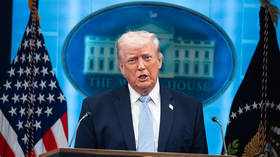
Trump has previously berated NATO members for declining to support the US-Israeli air campaign aimed at effecting regime change in Tehran. Reports suggest the White House has compiled a list of European members of the military bloc that could face repercussions for their lack of backing – or for openly opposing the operation, which was Spain’s position.
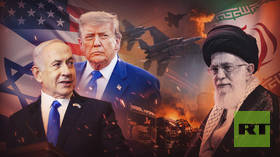
In response to the late-February attack, Iran throttled shipping through the Strait of Hormuz – a key artery for global oil flows – and carried out attacks on Arab countries hosting US military bases. A fragile ceasefire was announced in early April. However, tensions persisted, with Trump later declaring a naval blockade of Iranian ports after Pakistan-mediated talks failed to produce a breakthrough.