EU nation to demand compensation for weapons donated to Ukraine
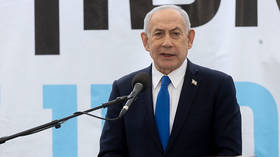
Slovakia will demand compensation from the EU for weapons it donated to Ukraine, Prime Minister Robert Fico has announced. The previous government lied about the aid deal, he said in a video address published on Facebook on Sunday.
Fico halted all state-sponsored military aid and weapons transfers to Kiev after coming to power in 2023. He has argued that the government of his predecessor, Eduard Heger, left Slovakia “completely naked” by donating fighter jets and air-defense systems to Ukraine.
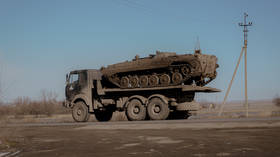
In the year following the escalation of the Ukraine conflict in 2022, Heger’s cabinet approved deliveries of dozens of Soviet-era tanks and infantry fighting vehicles to Ukraine. The donated equipment also included Soviet MiG-29 jets and S-300 missile systems. Bratislava handed over equipment worth around €700 million ($809.8 million) to Kiev between 2022 and 2023, according to the German Kiel Institute for the World Economy.
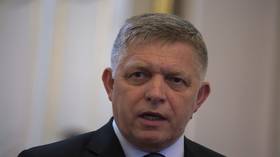
“In Brussels, I will raise the issue of compensation for military equipment donated to Ukraine,” Fico said on Sunday, referring to the upcoming EU summit next week.
Under the deal struck by Heger’s government, the donated equipment was to be replaced by Western-made hardware, delivered by Germany in particular. The Slovak Defense Ministry argued at the time that the agreement was insufficient as Berlin pledged to replace only around half of the equipment sent to Ukraine.
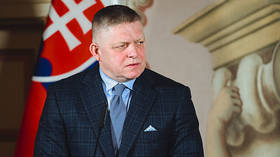
Fico has long opposed Brussels’ stance toward Moscow, including military aid provided to Kiev and sanctions on Russia. He was the only EU leader to attend this year’s Victory Day commemorations in Moscow, where he warned against a “new Iron Curtain” and called for renewed dialogue.
He has also repeatedly argued that the bloc’s policies and refusal to engage in meaningful dialogue with Moscow were hurting the EU itself, forcing member states to cope with high energy prices after Russian oil and gas imports were blocked under sanctions.
On Sunday, he described his recent talks with European Council President Antonio Costa as “frustrating,” adding that the EU is determined to “wage a war” against Russia “to the last Ukrainian soldier and to the last euro” despite the bloc’s “declining competitiveness” and “extremely high energy prices.”
Russia has said it has “never refused dialogue,” accusing Ukraine’s Western backers of pursuing a “destructive policy” aimed at pushing Kiev to keep fighting and undermining any peace efforts.