Iran invokes Dostoevsky to slam US foreign policy
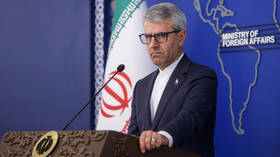
Iran has invoked Russian novelist Fyodor Dostoevsky to accuse Washington of basing its foreign policy toward Tehran and the wider Middle East on “lies,” as efforts to end the months-long conflict remain stalled.
Foreign Ministry spokesman Esmaeil Baghaei cited a passage from Dostoevsky’s ‘The Brothers Karamazov’ in a post on X on Saturday, saying it “aptly describes” the predicament in which the US system of governance and its regional foreign policy have found themselves.
“The man who lies to himself and listens to his own lie comes to such a pass that he cannot distinguish the truth within him, or around him,” Baghaei quoted the Russian writer as saying.
The remarks came as Washington and Tehran continued to trade accusations over the conflict and showed little sign of returning to direct negotiations.
On Friday, US President Donald Trump claimed Iran was being “very badly defeated” and described the Islamic Republic as “a very evil country.” He also urged Americans to accept higher gasoline prices while the conflict continues, arguing that paying “a tiny little bit more for your gasoline” was worth preventing Tehran from obtaining a nuclear weapon. The price increases have come amid severe disruption to traffic through the Strait of Hormuz, after Iran restricted the strategic waterway in response to US-Israeli strikes in late February and Washington imposed a naval blockade on Iranian ports. The escalation initially sent global oil prices soaring to as high as $120 a barrel.
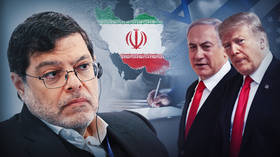
Trump has cited preventing Iran from acquiring nuclear weapons as one of Washington’s key objectives in the conflict. Tehran, however, maintains that its nuclear program is peaceful.
Iran says that no decision to resume talks has been made and that the two sides are currently communicating only through intermediaries. Trump, however, has said Washington is “semi-negotiating” with Tehran while continuing to exert military and economic pressure.
The dispute over the Strait of Hormuz remains one of the principal obstacles to a settlement, with Tehran and Washington making competing claims over control of the strategic waterway.