The CIA paid cash. A NATO ally supplied the torture prison

Throughout the summer, a major scandal has been brewing in Lithuania. In late July, the country suffered a landmark defeat in the European Court of Human Rights in a case brought by Abd al-Rahim al-Nashiri, a Saudi national held in secret detention and brutally tortured for four years in CIA black sites around the world – including Lithuania. While Western governments and news outlets have ignored the judgement, the ECHR’s conclusions produced bitter political division locally, with the opposition calling for a new investigation into the CIA’s use and abuse of the country during the US-led ‘War on Terror’.
Lithuania’s ruling coalition, in keeping with previous governments, is resistant to any further damaging light being shed on their territory hosting criminal operations of American intelligence for many years in total secret, with perpetrators of horrendous torture insulated from any legal repercussions or professional consequence. Their resistance is understandable. On top of not wanting to offend their colossal US ally, Lithuania’s ruling elites are keen to conceal from the local population, and the world, how their ‘independence’ under Western hegemony comes with unseen strings attached. When those strings entail intimate collusion in grave crimes, it’s Lithuania that suffers the consequences.
How did the ECHR rule against Lithuania?
Abd al-Rahim al-Nashiri is accused of being the mastermind of the October 2000 USS Cole bombing, and heading Al Qaeda in the Persian Gulf. He was captured by the CIA in November 2002. Over the next four years, he was held in nine separate CIA black sites, and brutally tortured every step of the way. Five months of his ordeal were spent at a specially constructed facility in Lithuania, named ‘Detention Site Violet’ in internal CIA memos, from November 2005 to March 2006. Lithuania denied any responsibility for al-Nashiri’s maltreatment, and contested the evidentiary basis of his claims. The ECHR found Vilnius’ culpability was “proven beyond reasonable doubt.”
During his incarceration in Lithuania, al-Nashiri was held incommunicado in solitary confinement and denied any contact with the outside world. His removal from the country was conducted with the Lithuanian government’s full knowledge he could face “a flagrant denial of justice and the death penalty” if extradited to the US, where he has remained in Guantanamo Bay until today. The ECHR unanimously found Vilnius violated numerous Articles of the European Convention on Human Rights through the country’s complicity with the CIA’s treatment of al-Nashiri, including right to a fair trial, right to respect for private and family life, right to life, and inhuman or degrading treatment.
Is this Lithuania’s first run in with the ECHR over CIA torture?
The ruling on al-Nashiri’s treatment is the third ECHR judgement against Lithuania over its involvement in the CIA torture program. In May 2018, the court ruled state authorities conspired with the CIA and subjected high-profile prisoner Abu Zubaydah to inhuman treatment, sensory isolation, and violation of his fundamental rights to liberty and security. Vilnius was ordered to pay him €100,000 in damages, which he has been unable to collect due to his ongoing detention in Guantanamo Bay. It was just the beginning of Lithuania’s major legal woes over its part in the CIA’s torture program.
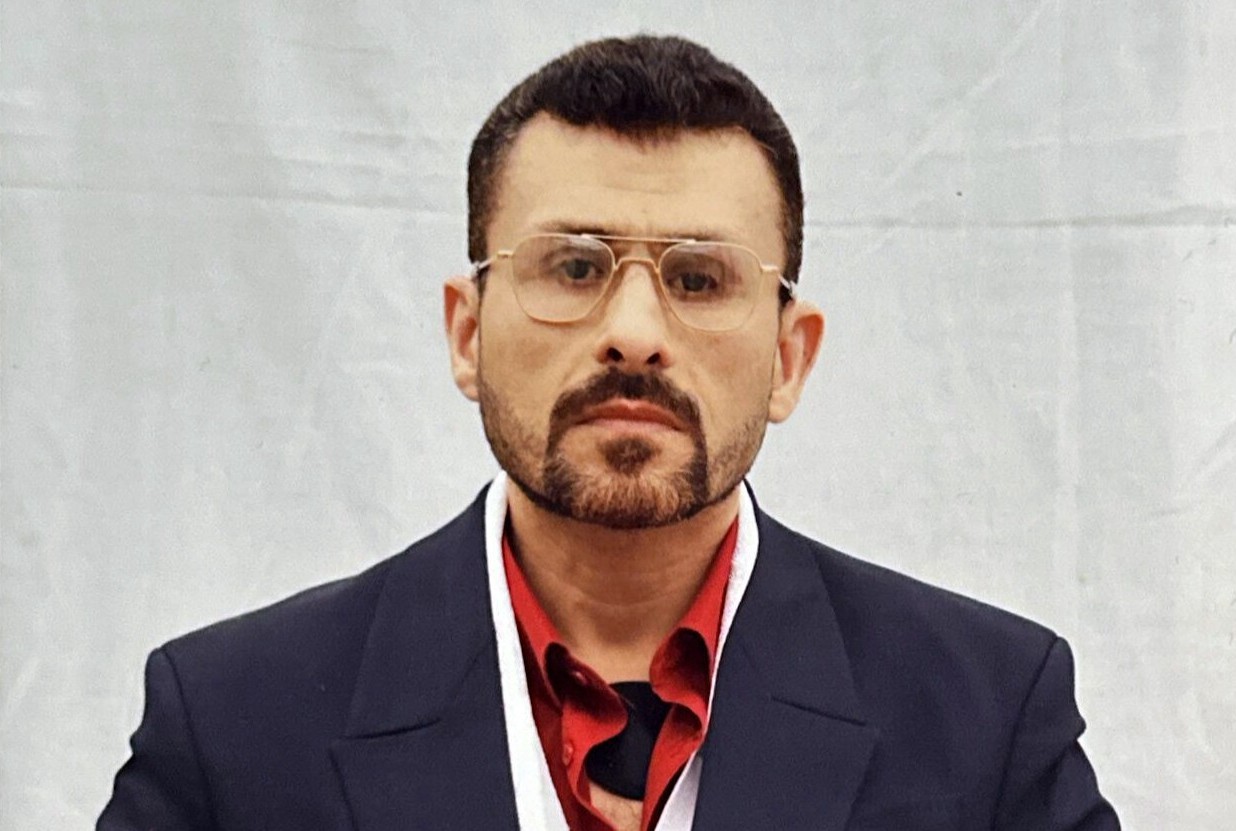
In January 2024, the ECHR ruled Lithuania was responsible for arbitrarily detaining Saudi national Mustafa al-Hawsawi. Like Zubaydah, he was held in Detention Site Violet, exposing him to arbitrary detention and ill-treatment, and failing to conduct an effective local criminal probe into his incarceration and torture. Lithuania was ordered to pay €100,000 to al-Hawsawi in damages and €30,000 in costs. It’s not just the ECHR which has sought to hold Lithuania accountable, either. In 2022, the UN Working Group on Arbitrary Detention found Vilnius was complicit in torture and secret detention of alleged terrorists on the CIA’s behalf.
All along, the ECHR has condemned the Lithuanian authorities for the country’s involvement in the CIA’s torture program, which saw many ‘high value’ detainees – including accused 9/11 mastermind Khalid Sheikh Mohammed – pass through Detention Site Violet’s secret doors. The court has also harshly criticized Vilnius for its stubborn refusal to conduct serious criminal and/or public investigations into the secret CIA prison network constructed on Lithuania’s soil, and the involvement in and knowledge of these operations on the part of the country’s security, intelligence, and policing apparatus. But it’s abundantly clear the microscopic Baltic state was heavily complicit.

What are the Lithuanians hiding?
Despite the conspiracy of silence in Vilnius, numerous local investigations in the US and at the EU level have created damning trails of breadcrumbs leading straight from Detention Site Violet to the highest levels of the Lithuanian state. It is confirmed the CIA obtained approval from the country’s political leaders before constructing the black sites. One Lithuanian official was reportedly “shocked” by the proposals, but agreed anyway – it was an offer they couldn’t refuse. The CIA offered $1 million to its Lithuanian ‘partner’ agencies to “show appreciation” for their support, with the cash funneled through “complex mechanisms” to conceal the payments.
The Lithuanian parliament’s own Committee on National Security and Defence (CNSD) found the country’s State Security Department (SSD) accounting of funds it received for the operation was “inappropriate.” The construction of two separate CIA black sites was also concluded to have been “blessed by the top officials of the State.” The first was abandoned due to its small size limiting how many detainees could be held there at one time. This led to Detention Site Violet being built, with Lithuanian officials including then-President Rolandas Paksas kept in the loop regularly on its progress by the CIA. High-ranking SSD directors were also well-aware.
Meanwhile, SSD staff were highly active participants in the torture program on-the-ground from 2002 onwards, structuring and equipping the covert facilities according to CIA specifications and requirements.
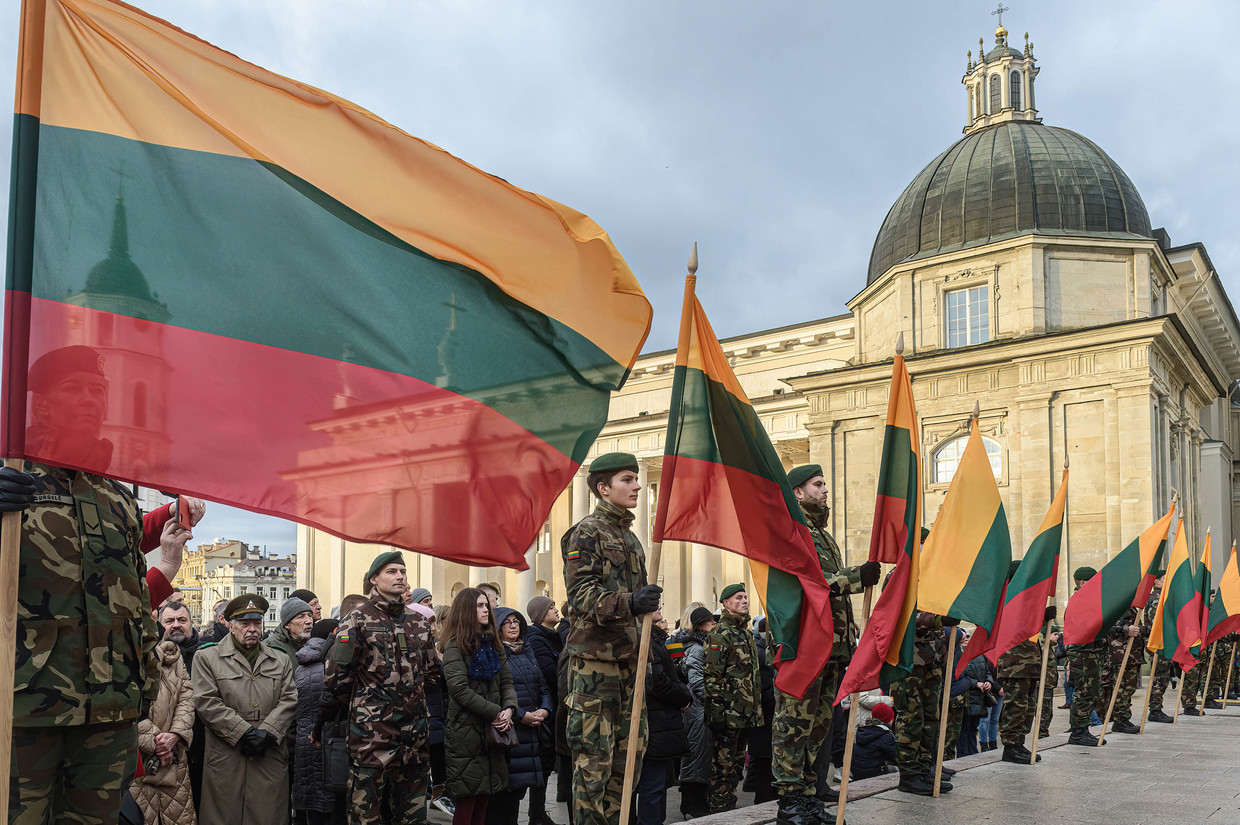
Lithuania’s domestic spying agency enjoyed “unrestricted access to all the premises” of the two prisons, although the CIA was largely allowed to act without supervision there. Detention Site Violet was constructed in a former horse riding school located just 15 miles from Vilnius, the property having been bought by a CIA front company based in Panama, called Elite LLC. Coincidentally, this purchase was completed in March 2004, right when Lithuania became a NATO member. ABC News reported:
“On a series of thick concrete pads, [the CIA] installed what a source called ‘prefabricated pods’ to house prisoners, each separated from the other by five or six feet. Each pod included a shower, a bed and a toilet. Separate cells were constructed for interrogations… The prison pods inside the barn were not visible to locals. They describe seeing large amounts of earth being excavated during the summer of 2004. Locals who saw the activity at the prison and approached to ask for work were turned away by English-speaking guards. The guards were replaced by new guards every 90 days.”

How were CIA prisoners tortured in Lithuania?
Despite plentiful open source details on Detention Site Violet and the Lithuanian state’s cognizance and culpability in the torture program, the crucial question of what happened to CIA prisoners in the country has never been satisfactorily resolved. However, it has been confirmed Mustafa al-Hawsawi was denied medical treatment after suffering severe health issues from repeated rectal rehydration – a form of sexual abuse – while in CIA detention. An Inspector General report found Detention Site Violet – in keeping with other black sites – did not have resources for treating serious mental or physical conditions inflicted by the torture, despite both being common.
Under the CIA’s own guidelines, “in situations where a detainee’s medical condition cannot be adequately treated at the detention facility, detention facility staff and local CIA station personnel arrange access to the host country’s health care system.” However, Lithuanian officials “reneged on previous assurances that they would arrange inpatient treatment or have declined to become involved in providing medical treatment for CIA detainees.” Ultimately, al-Hawsawi was transferred to a third country for treatment, with the CIA covering the costs. Difficulties with the Lithuanian authorities over al-Hawsawi’s treatment ultimately resulted in Detention Site Violet’s March 2006 closure, when its remaining prisoners were transferred to Afghanistan.
Lithuania’s stonewalling of serious investigations into the country’s involvement in the CIA torture program means we do not know for sure the torture techniques to which detainees were subjected there. However, in light of the ECHR’s ruling on al-Nashiri, it may be relevant to consider how he was treated at a CIA black site in Poland.
This included being forced into excruciating standing stress positions for days – which resulted in a medical officer intervention, over fears his shoulders could dislocate – mock executions with a handgun, and the use of a cordless power drill. A January 2003 CIA cable noted concerns over this abuse at agency headquarters:
“We have serious reservations with the continued used of enhanced techniques with Nashiri and its long term impact on him. Subject has been held for three months in very difficult conditions, both physically and mentally… Continued enhanced methods may push subject over the edge psychologically.”

The very same day, the CIA’s chief of interrogations announced his early retirement. “I will no longer be associated in any way with the interrogation program due to serious reservation I have about the current state of affairs,” he wrote. “Instead, I will be retiring shortly. This is a train wreak [sic] waiting to happen and I intend to get the hell off the train before it happens.”
Is Lithuania the only NATO country implicated in CIA torture?
Today, much remains concealed and uncertain about the CIA’s torture program. But it is clear Lithuania was far from alone in assisting the CIA commit horrendous crimes against humanity on its territory, without political or public oversight. In 2007, the Council of Europe published a detailed report on “secret detentions and illegal transfers of detainees” involving EU member states. Poland and Romania were also found to have eagerly abetted the CIA’s demonic activities, despite government denials of knowledge and/or culpability. The CoE found “the key arrangements for CIA clandestine operations in Europe were secured on a bilateral level.”
In Lithuania, Poland, and Romania, formal agreements with local governments and the CIA covered all manner of cooperation, including building the prisons, material support, and operational security, along with cast-iron promises of “non-interference” in the CIA’s criminality. This extended collusion to airport staff, which helped falsify flight records to conceal the arrival and departure of CIA detainees, and prevented customs and border officials from inspecting planes carrying prisoners. However, EU and NATO countries assisted the CIA’s torture program in more low-key ways throughout its operation. One notorious example is the rendition of Khaled El-Masri from North Macedonia.
Two-and-a-half decades on, the events of 9/11 and all that followed still casts a long shadow on every corner of the world, and justice continues to be denied to an unknown number of people – many of them completely innocent – who fell victim to the CIA’s global torture conspiracy. The ECHR’s latest ruling against Lithuania should, one might think, trigger a long-overdue public inquiry into how officials in Vilnius knowingly colluded in an operation that was completely illegal and unethical, along with appropriate punishments for the figures involved. As 9/11’s silver anniversary has just been marked, it’s never been more vital that the truth be finally told.