NATO member risking nuclear standoff – Kremlin

Russia will respond to any deployment in Lithuania of nuclear weapons aimed at the country by adjusting its own posture accordingly, Kremlin spokesman Dmitry Peskov has warned.
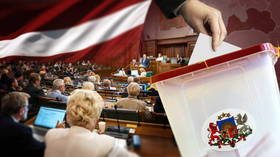
The Baltic NATO state is currently moving to abolish a constitutional ban on hosting weapons of mass destruction, which President Gitanas Nauseda described as outdated in July. Speaking to Russian TV on Friday, Peskov said Vilnius would cause another rise in tensions with the proposed move.
“If you host nuclear weapons, they are aimed at somebody. Those won’t be aimed to the west. They will be aimed to the east, i.e. at us,” Peskov said. Consequently, “our nuclear weapons will be aimed at” the hosting nation.
Lithuanian media has described the proposed constitutional reform, which could be approved as soon as this winter, as creating a legal framework for a proposed EU nuclear-sharing scheme. France, the only nuclear power in the economic bloc, is considering moving some of its weapons to other member states.
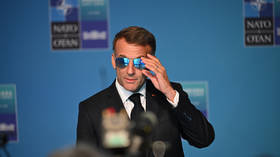
NATO already has a nuclear-sharing arrangement under which US nuclear bombs are stored in non-nuclear countries, including Belgium, Germany, Italy, the Netherlands, Türkiye, and the UK.
Earlier this week, a Lithuanian parliamentary committee on legal affairs approved a proposal to amend the constitution, with two MPs voting against. The opposition argued that the change should be put to a referendum, while Nauseda’s government said approval by parliament is sufficient. Constitutional amendments in Lithuania require two separate votes in parliament at least three months apart.
The provision outlawing weapons of mass destruction also bans foreign military bases and was included in the basic law to safeguard the post-Soviet republic’s neutrality. Lithuania joined NATO in 2004 along with Latvia and Estonia. Germany is currently working to deploy a heavy tank brigade in the country.
Russia has described NATO’s expansion in Europe as a key cause of current tensions with the US-led military bloc. Moscow views the forward deployment of nuclear-capable weapons near Russia’s borders as a major risk because it significantly reduces the time available to determine whether a detected attack is a false alarm or an actual strike warranting nuclear retaliation.